
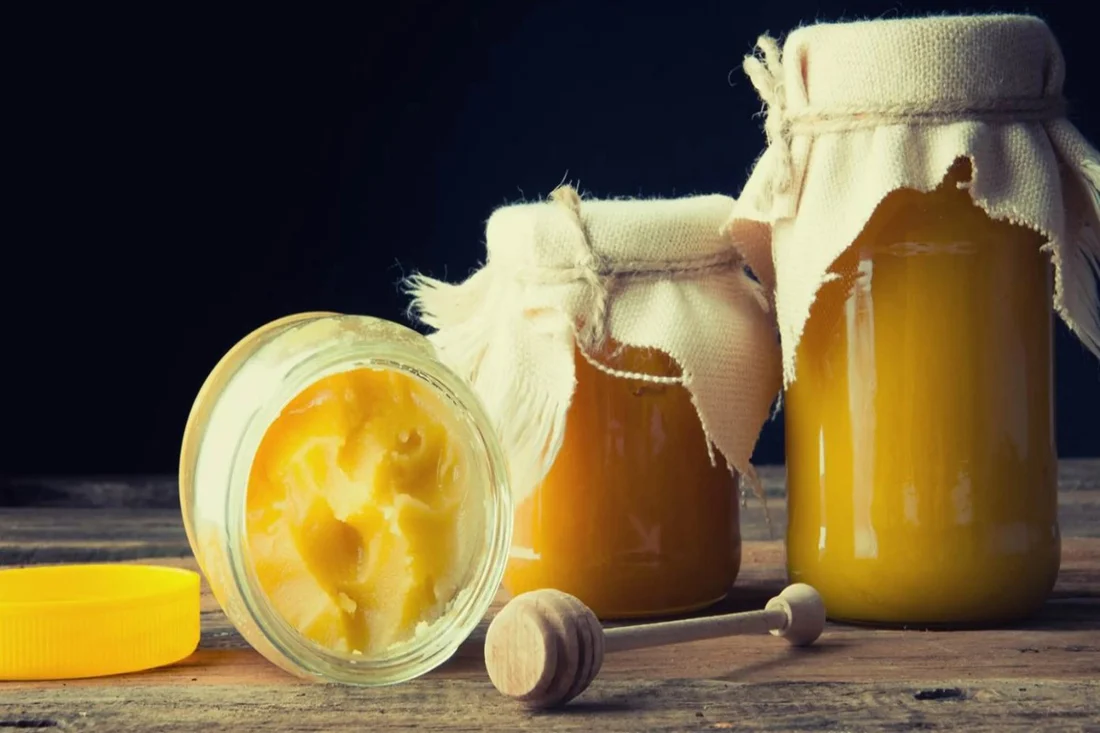

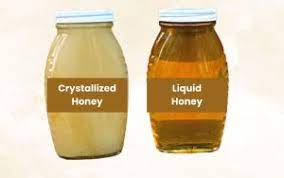
Have you ever reached for that jar of golden goodness only to find it has transformed into a semi-solid, sometimes gritty mass? Don’t panic! That cloudy, seemingly hardened honey isn’t spoiled or adulterated. In fact, crystallization is a perfectly natural characteristic of pure, raw honey, and understanding why it happens can actually deepen your appreciation for this remarkable natural sweetener.
For many, encountering crystallized honey can be alarming. Thoughts of added sugar, spoilage, or even artificial ingredients might spring to mind. However, the reality is quite the opposite. Crystallization is a testament to the purity and natural composition of your honey.
The Science Behind the Sweet Grains:
Honey is essentially a supersaturated sugar solution, primarily composed of two main sugars:
- Fructose: This is a monosaccharide, often referred to as fruit sugar. It tends to remain in a liquid state.
- Glucose: Another monosaccharide, glucose is less soluble in water than fructose.
The ratio of these two sugars, along with the water content, plays a crucial role in the likelihood and speed of crystallization. When there’s a higher proportion of glucose relative to fructose, the glucose molecules become less soluble and start to separate from the water. These separated glucose molecules then attract each other, forming tiny crystals. Over time, more glucose molecules join these initial crystals, leading to the characteristic grainy texture.
Think of it like this: imagine dissolving as much sugar as you can into a glass of water. Eventually, you’ll reach a point where no more sugar can dissolve, and some will settle at the bottom. Honey is similar, but in a more concentrated form.
Factors Influencing Crystallization:
While all pure honey will crystallize eventually, the speed and texture can vary depending on several factors:
- Glucose to Fructose Ratio: Honeys with a higher glucose content crystallize faster. Different floral sources produce honey with varying sugar ratios. For example, clover and dandelion honey tend to crystallize more quickly than acacia or tupelo honey, which have a higher fructose content.
- Water Content: Honey with a lower water content tends to crystallize more readily.
- Temperature: Honey crystallizes most rapidly at temperatures around 10-21°C (50-70°F). Storing honey in the refrigerator or in very warm temperatures can actually slow down the process.
- Presence of Particles: Small particles like pollen, beeswax, or dust can act as nucleation sites, providing a surface for the glucose crystals to start forming. Raw, unfiltered honey, which retains these natural elements, often crystallizes faster than heavily processed honey.
Why Crystallization is a Sign of Quality:
Instead of viewing crystallization as a flaw, consider it a positive indicator:
- Purity: Heavily processed honey, often heated and filtered, removes many of the natural components that contribute to crystallization. Honey that remains liquid for extended periods might have been significantly altered.
- Naturalness: The presence of pollen and other natural particles in raw honey encourages crystallization, highlighting its unprocessed state.
- No Additives: Crystallization indicates that the honey hasn’t been tampered with by adding artificial sweeteners or anti-crystallizing agents.
Reviving Your Crystallized Honey:
While crystallized honey is perfectly safe and delicious, you might prefer its smooth, liquid form. Luckily, it’s easy to return it to its former glory:
- Gentle Warmth: The best method is to gently warm the honey. Place the jar in a bowl of warm (not boiling) water, ensuring the water level doesn’t go above the lid. Stir occasionally until the crystals dissolve.
- Warm Water Bath: Alternatively, you can place the sealed jar in a pot of warm water over low heat. Monitor it closely and stir occasionally.
- Avoid Microwaving: Microwaving can overheat the honey, destroying beneficial enzymes and altering its flavor and nutritional properties.
Embrace the Grains!
Next time you encounter a jar of crystallized honey, remember that it’s not a sign of spoilage but rather a testament to its natural, unprocessed state. Embrace the sweet grains, knowing you’re enjoying a truly remarkable product of nature. And if you prefer it smooth, a little gentle warmth is all it takes to bring it back to its liquid perfection.

