Why Tanzania’s Miombo Forest Honey Championed by JAMBO ASALI May Be the Underrated Powerhouse
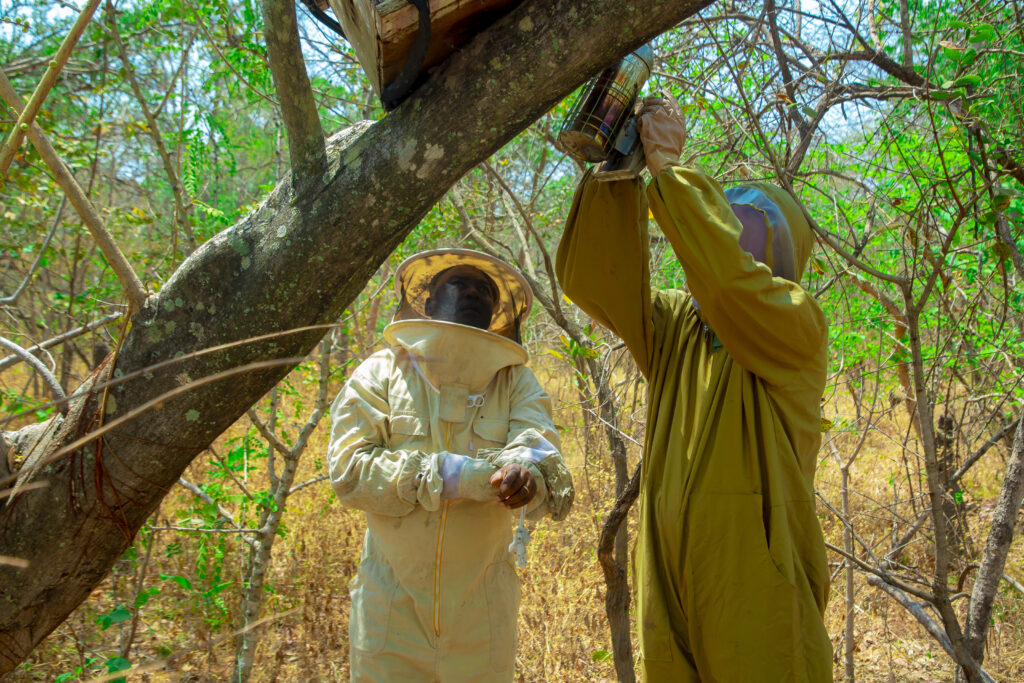
When people say “ Highest medicinal honey,” most jump straight to famous types like manuka and sidri. But there’s a quiet contender: Miombo forest honey from Tanzania. Sourced from vast Miombo woodlands rich, pesticide-low ecosystems dominated by Brachystegia, Julbernardia, and Isoberlinia ,this honey shows a potent mix of antioxidants, organic acids, enzymes, and plant-derived polyphenols. With careful, low-intervention processing and strict quality controls, JAMBO ASALI is bringing this “unknown” honey to the global stage. Below, we dive into the science-backed ways honey works, why Miombo origin matters, and how JAMBO ASALI preserves the medicinal potential from hive to export.
Important note: Honey supports wellness, but it is not a substitute for medical care. Avoid honey for infants under 12 months. People with medical conditions should consult a healthcare professional.
What Makes a “Medicinal” Honey?
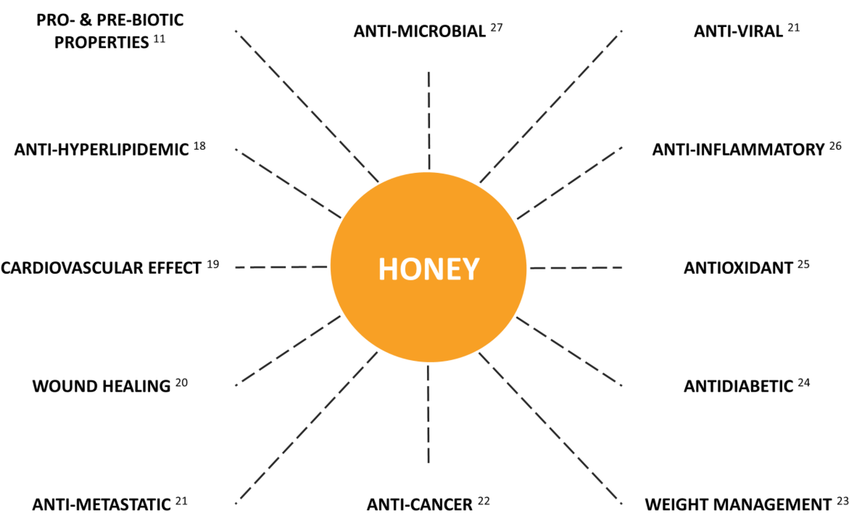
“Medicinal” honey isn’t about marketing words; it’s about bioactivity measurable properties linked to antimicrobial, antioxidant, and soothing effects. Key contributors:
- Low Water Activity & Acidity
Honey’s low water activity and natural acidity are hostile to many microbes. - Hydrogen Peroxide Generation
Glucose oxidase in honey can produce hydrogen peroxide when diluted, one route for antimicrobial action. - Non-Peroxide Factors
Plant-specific phytochemicals (polyphenols, flavonoids), peptides, and trace compounds add unique antimicrobial and antioxidant activity beyond peroxide. - Enzyme Integrity
Diastase and other enzymes can indicate gentle handling that preserves natural functionality. - Clean Provenance & Minimal Adulteration
Absence of antibiotics, pesticides, and adulterants is essential to both safety and medicinal value.
Why Miombo Forest Honey Is Special and may be the highest medicinal honey
The Miombo biome stretches across Tanzania and parts of Southern/Eastern Africa. Its medicinal promise comes from:
- Floral Diversity: A mosaic of nectar sources yields a broad phytochemical profile often richer and more complex than single-floral honeys.
- Lower Pesticide Pressure: Much Miombo beekeeping occurs far from intensive agriculture, reducing contaminant risk.
- Distinct Sensory & Chemical Fingerprint: Warm, woody-floral aroma; amber color; balanced sweetness; and robust polyphenol content that underpins antioxidant potential.
- Slow, Fine Crystallization: Often indicates a favorable glucose–fructose balance and minimal over-processing.
Bottom line: Miombo honey’s medicinal potential flows from its forest ecology and chemical complexity, not celebrity status.
Miombo vs. “Famous” Medicinal Honeys (e.g., Manuka)
- Manuka is benchmarked by MGO/UMF (non-peroxide activity from methylglyoxal).
- Miombo is diversified: its strength is a symphony of phytochemicals and peroxide/non-peroxide mechanisms together.
- Research Gap ≠ Weakness: Miombo is under-researched, not under-powered. As standardized assays (e.g., total phenolics, FRAP/DPPH antioxidant tests, MICs against common pathogens) expand, Miombo honeys could show competitive or complementary medicinal profiles.
- Practical takeaway: If you value broad-spectrum plant compounds, Miombo deserves a seat beside the better-known medicinal honeys.
The Medical Power Pathways of Miombo Honey
1) Antimicrobial Activity
- Osmotic & Acid Stress: Limits many bacteria and fungi.
- Peroxide Generation: When diluted (e.g., in tea or on moist tissue), glucose oxidase can release gentle, sustained peroxide levels.
- Phytochemicals: Polyphenols and flavonoids may disrupt microbial membranes and quorum sensing, complementing peroxide action.
2) Antioxidant Potential
- Polyphenols/Flavonoids: Neutralize free radicals; may modulate inflammation pathways.
- Trace Minerals & Organic Acids: Contribute to redox balance and flavor complexity.
3) Soothing & Functional Use
- Throat and Cough Relief: Honey’s viscosity and bioactive compounds can soothe the mucosa (common traditional use).
- Digestive Comfort (Traditional): Small daily amounts are used traditionally for gentle digestive support and as a prebiotic-friendly sweetener paired with yogurt or warm water.
4) Topical Heritage (Traditional)
- Wound-Care History: Some honeys are used traditionally for dressings due to antimicrobial and moisture-balancing effects (always follow medical guidance; clinical-grade products should be used for medical care).
Why JAMBO ASALI Elevates Miombo’s Medicinal Potential
Medicinal value lives or dies in the supply chain. JAMBO ASALI aligns field practices with export-grade quality:
- Forest-First Sourcing
- Apiaries in Miombo regions of Tanzania (e.g., Tabora, Kigoma, Katavi).
- Emphasis on habitat integrity: beekeeping motivates forest conservation, protecting the very plants that create the honey’s medicinal profile.
- Outgrower Training & Hygienic Harvesting
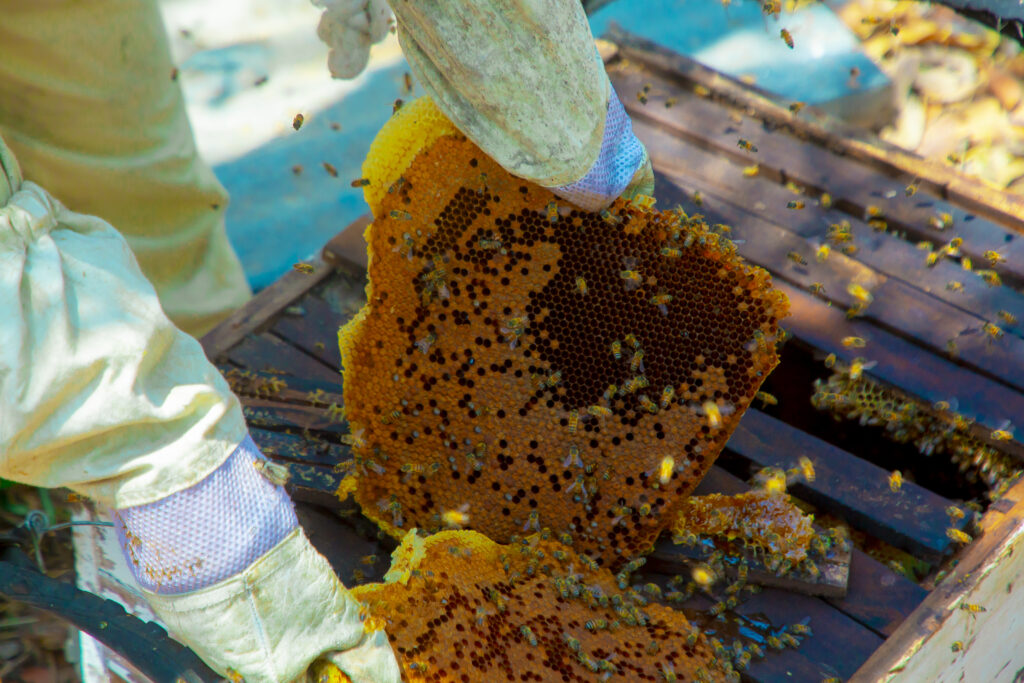
- Timing harvests to avoid unripe, high-moisture honey.
- Clean tools, covered buckets, and shade handling to preserve enzymes and aroma.
- Gentle Processing, Potency Preservation
- Minimal heat exposure to protect enzymes (e.g., diastase) and volatile aromatics.
- Moisture control for shelf stability without over-processing.
- Fine filtration/sieving that keeps character while removing debris.
- Rigorous Quality & Safety
- Batch-level traceability from beekeeper cluster to export lot.
- Pre-shipment lab analysis (moisture, HMF, diastase, acidity, conductivity) and risk-based residue screening (antibiotics/pesticides) aligned to EU/US expectations.
- Openness to buyer-side testing with international labs.
- Fit-for-Purpose Export
- 28 kg food-grade buckets for bulk buyers to repack to market specs, maintaining integrity and lowering breakage risk.
How to Use Miombo Honey for Wellness (Everyday Practices)
- Daily Spoon: 1–3 tsp straight or in warm (not hot) water to preserve enzymes.
- Tea & Infusions: Stir into herbal or ginger infusions after they’ve cooled slightly.
- Yogurt/Oats: Pairs well with fermented foods for a gut-friendly breakfast.
- Topical Tradition: For non-medical skin support, some people apply a thin layer, then rinse (patch-test first). Medical wounds require clinician-approved, sterile honey products.
Storage: Keep capped, cool, and dry. Natural crystallization is normal; to reliquefy, place the jar in warm water (not boiling).
Signs of a High-Medicinal Miombo Honey (Buyer’s Quick Checklist)
- Origin Proof: Named Miombo regions, harvest windows, and beekeeper networks.
- Lab Sheet: Moisture ≤ ~20%, low HMF, healthy diastase activity; optional antioxidant/phenolic indices.
- Residue Assurance: Negative screens where applicable; willingness for third-party tests.
- Processing Transparency: Minimal heat; clear filtration and moisture-control SOPs.
- Traceability: Lot codes that track to collection centers and apiary clusters.
- Exporter Discipline: Clean documentation; consistent sensory profile year-to-year.
Why the World Hasn’t Heard (Yet)
Miombo honey lacks a single global metric like UMF—but that’s changing as African honeys gain research attention. As standardized antioxidant panels, MIC assays, and pollen/chemical fingerprints for Miombo lines expand, the unique forest-polyphenol signature will become more visible to scientists and consumers alike.
CONCLUSSION
If “higher medicinal honey” means diverse antimicrobial pathways, strong antioxidant potential, clean provenance, and careful processing, then Miombo forest honey from Tanzania led by JAMBO ASALI belongs at the top tier worldwide. It’s the classic case of a quiet champion: less famous, more forest-true, and meticulously handled so its natural power reaches your spoon intact.