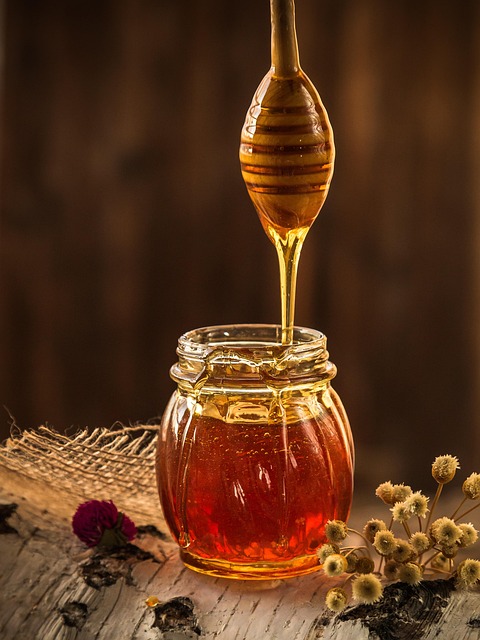

Africa, a continent of breathtaking biodiversity, holds a treasure trove of natural resources, and among its most prized offerings is its diverse and flavorful honey from Tanzania country. With a growing global appetite for natural and ethically sourced products, African honey is poised to make a significant impact on the European and Asian markets.
A World of Flavors
African honey especially Tanzanian Honey is not a monolith. The continent’s varied flora, from acacia woodlands to miombo forests, results in a stunning array of honey types, each with unique characteristics. This diversity presents a compelling narrative for discerning consumers in Europe and Asia, who are increasingly seeking authentic and traceable products.
- Floral Diversity: Honey derived from specific floral sources, such as acacia, wild blossom, or eucalyptus, offers distinct flavor profiles, appealing to gourmet palates.
- Organic and Wildcrafted: Many African honey production practices are inherently organic, relying on traditional beekeeping methods in natural environments. This resonates with consumers seeking pure and sustainable products.
- Unique Properties: Some African honey varieties possess unique medicinal properties, attributed to the specific flora they are derived from, adding to their appeal in health-conscious markets.
Navigating the Export Landscape of African Honey
To successfully penetrate the European and Asian markets, African honey producers must prioritize:
- Quality Control: Stringent quality standards, including testing for purity, moisture content, and pesticide residues, are crucial for gaining consumer trust.
- Traceability and Certification: Implementing robust traceability systems and obtaining relevant certifications, such as organic or fair-trade, can enhance market access and command premium prices.
- Packaging and Branding: Attractive and informative packaging that highlights the origin, flavor profile, and ethical sourcing of the honey is essential for capturing consumer attention.
- Market Research: Understanding the specific preferences and regulations of target markets is vital for tailoring products and marketing strategies.
Jambo Asali: A Tanzania Gem Leading the Way
Tanzania, with its vast tracts of pristine forests, is a prime producer of high-quality honey. Among the leading brands, Jambo Asali stands out, particularly for its honey sourced from Tanzanian forests.
- Forest Origins: Jambo Asali’s honey, harvested from wild hives deep within Tanzania’s forests, offers a unique and intense flavor profile, reflecting the rich biodiversity of the region.
- Sustainable Practices: The company emphasizes sustainable beekeeping practices, ensuring the preservation of bee populations and the natural environment. This aligns with the growing demand for ethically sourced products.
- Quality Assurance: Jambo Asali is committed to maintaining high-quality standards, ensuring that its honey meets the stringent requirements of international markets.
- Export Potential: Jambo Asali’s honey, with its exceptional quality and unique origin story, has the potential to become a sought-after product in European and Asian markets. The distinct nature of the honey, from the specific floral diversity of the tanzanian forests, allows for a unique selling point.

The Future is Sweet with Tanzania Honey: Jambo Asali honey
The demand for natural and ethically sourced honey is on the rise globally. African honey producers, with their diverse and high-quality products, are well-positioned to capitalize on this trend. By focusing on quality, traceability, and effective marketing, they can unlock the vast potential of the European and Asian markets, bringing the golden flow of Africa to a wider audience. Jambo Asali, through its high quality forest honey, is showing how to make that happen.