

Tanzania, known for its rich biodiversity, thriving agriculture, and natural beauty, is also home to a growing honey industry that has begun to capture attention both regionally and globally. With its diverse ecosystems, including the Miombo woodlands, forests, and savannas, Tanzania produces a wide range of honey varieties, including wild honey, forest honey, and Miombo honey. As global demand for natural and organic products increases, Tanzania’s honey export market presents significant opportunities for both local farmers and international buyers.
This article explores Tanzania’s honey industry, its export market, the challenges it faces, and the potential for growth in the global honey trade.

Overview of Tanzania’s Honey Production
Tanzania is one of the largest producers of honey in Africa, with a long history of beekeeping that is rooted in traditional practices. The country boasts an ideal environment for honey production, with an abundance of forests, wildflower meadows, and agricultural lands. Tanzania’s diverse flora provides bees with a wide variety of nectar sources, resulting in high-quality honey with unique flavors and properties.
Honey production in Tanzania is predominantly carried out by smallholder farmers using traditional beekeeping methods. These practices are often eco-friendly and sustainable, with beekeepers harvesting honey from wild and forest-based hives. This wildcrafted honey is prized for its purity, natural flavor, and health benefits.
Key honey-producing regions in Tanzania include Kigoma, Katavi, Rukwa, Morogoro, Singida and Tabora, where the climate and landscape support vibrant beekeeping activities. The Miombo woodlands, particularly in the southern highlands, are home to some of the most unique honey varieties, such as Miombo honey.
Demand for Tanzanian Honey on the Global Stage
Tanzania’s honey market is seeing increased demand both locally and internationally. The global honey market is valued at billions of dollars, and the increasing interest in natural, organic, and raw honey has opened new avenues for Tanzania’s honey exporters. The EU, Middle East, Asia, and the US represent some of the biggest consumers of honey, and Tanzania is well-positioned to meet this demand.
The unique honey varieties found in Tanzania, such as Miombo honey, forest honey, and wild honey, have distinct flavors and characteristics that set them apart in the global market. For instance, Miombo honey is known for its earthy taste, attributed to the diverse vegetation of the Miombo woodlands, and is particularly popular in countries looking for high-quality, artisanal honey.
Tanzania’s honey export market is expected to grow significantly as consumers increasingly turn to natural and sustainable products. With the demand for organic, fair-trade, and environmentally friendly honey rising globally, Tanzania honey producers have the opportunity to tap into a lucrative market by focusing on these growing trends.
Export Challenges in Tanzania’s Honey Market
Despite the growing opportunities, the Tanzanian honey export market faces several challenges that need to be addressed to ensure sustained growth and competitiveness:
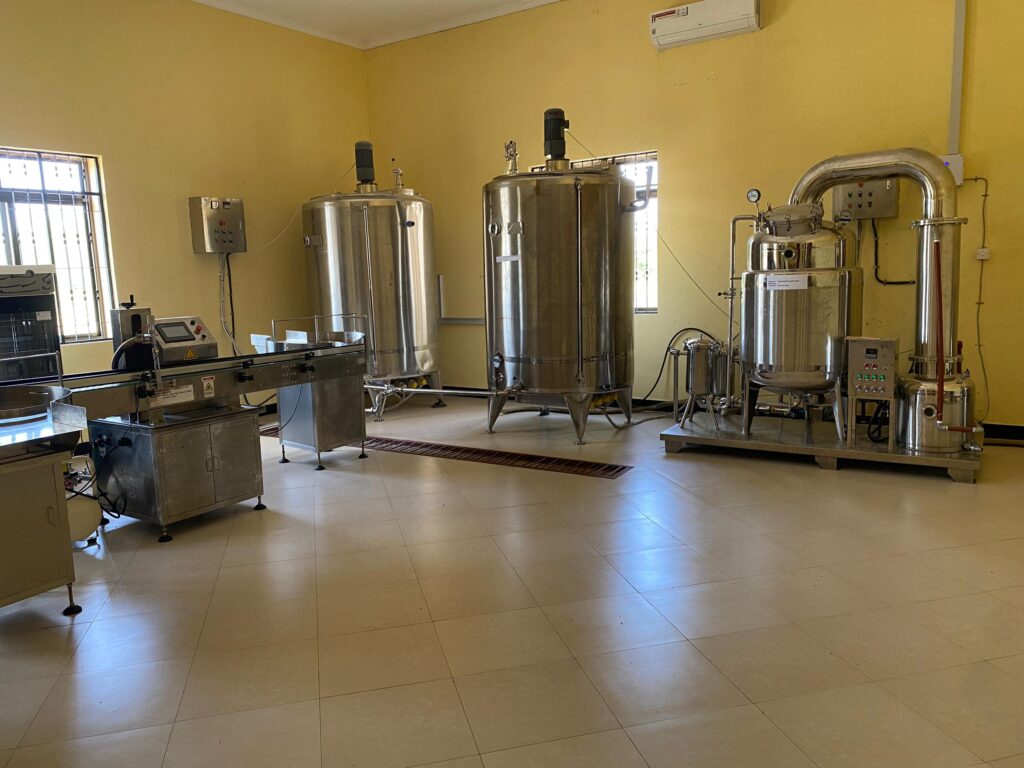
- Quality Control and Standardization: One of the key challenges for Tanzanian honey exporters is the lack of consistent quality control and standardization. Many small-scale beekeepers rely on traditional methods that, while sustainable and eco-friendly, may lack modern quality control standards required by international markets. To compete globally, Tanzania’s honey industry needs to invest in better infrastructure, quality assurance processes, and certification systems (e.g., organic certification and Fair Trade certification) that will meet international standards.
- Packaging and Branding: Packaging plays a significant role in the honey export market. While Tanzanian honey is prized for its natural quality, its packaging and branding often lack the appeal required for competitive international markets. Improving packaging design, labeling, and ensuring that the honey is presented as a premium product could boost its export potential. Additionally, investing in eco-friendly packaging could align with the growing demand for sustainable products.
- Export Logistics and Infrastructure: Transporting honey from rural beekeeping areas to international markets can be a challenge. The lack of efficient transport infrastructure and logistical networks hampers timely deliveries and increases costs for exporters. Investment in better infrastructure, such as cold storage facilities and reliable transportation networks, would help reduce spoilage, improve delivery times, and lower export costs.
- Market Access and Trade Barriers: Tanzania’s honey exporters face barriers in accessing certain international markets due to trade regulations, tariffs, and certification requirements. In particular, EU regulations for honey imports require strict compliance with food safety standards, which can be a challenge for smaller-scale producers. Establishing trade partnerships, simplifying export processes, and improving export regulations could help reduce these barriers.
Opportunities for Growth in the Honey Export Market
Despite these challenges, there are several key opportunities for Tanzania’s honey export industry:
- Organic and Fair Trade Certification: With increasing global demand for organic and sustainably sourced products, Tanzanian honey producers can tap into premium markets by seeking organic and Fair Trade certification. This would allow them to cater to health-conscious consumers in the EU and other regions that prioritize ethical sourcing.
- Value-Added Products: To increase profitability and cater to a broader market, Tanzanian honey producers can explore creating value-added honey products, such as honeycomb, flavored honey, honey-based skincare products, and honey-based beverages. These products could help diversify the honey offering and appeal to consumers looking for gourmet or specialty items.
- Strengthening Export Partnerships: Tanzanian exporters could benefit from building partnerships with international distributors, retailers, and e-commerce platforms that specialize in natural and organic food products. By entering new markets such as the US, Middle East, and Asia, Tanzania can expand its export base and increase market share.
- Sustainability and Environmental Focus: Tanzania’s honey production is already seen as sustainable and eco-friendly, with traditional beekeeping methods that have minimal environmental impact. Capitalizing on the green and sustainable aspects of honey production can be a powerful marketing tool in global markets that prioritize environmental stewardship.
- Education and Training: Investing in training programs for local beekeepers on modern beekeeping techniques, quality control, pest management, and best practices for honey production would help improve the overall quality of honey and increase the quantity available for export. This would also help expand the local knowledge base and encourage youth involvement in the beekeeping sector.
Conclusion
Tanzania’s honey export market holds enormous potential, driven by the country’s rich natural resources, diverse honey varieties, and the increasing global demand for organic and sustainable products. While challenges exist, such as quality control, packaging, and market access, these can be addressed with focused investment, strategic partnerships, and improved infrastructure. By capitalizing on the growing global demand for pure, wildcrafted, and sustainably produced honey, Tanzania has the opportunity to establish itself as a major player in the international honey market, benefiting both its local producers and the global consumer market.

