

Tanzania Honey, the Sweetness of Nature from Natural forest of the land of breathtaking landscapes, from the snow-capped peaks of Kilimanjaro to the vast plains of the Serengeti, holds another treasure often overlooked: its exquisite honey. More than just a sweetener, Tanzanian honey is a testament to the country’s rich biodiversity and the traditional practices that have nurtured its production for generations. Each jar, whether sourced from the miombo woodlands, the coastal regions, or the highlands, offers a unique taste of Tanzania’s diverse flora.
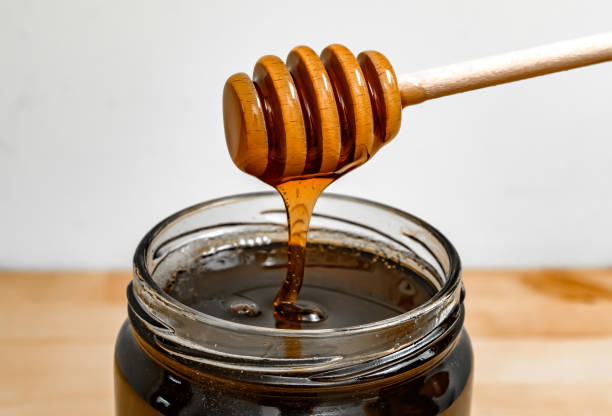
The secret to the distinct flavors of Tanzanian honey lies in the varied blossoms that the bees forage upon. Imagine a honey infused with the delicate aroma of acacia flowers from the drylands, or a darker, more robust variety derived from the diverse wildflowers of the rainforest. Coastal honeys might carry subtle hints of coconut and mango blossoms, creating an exotic sweetness unlike any other. This floral diversity translates into a spectrum of colors, textures, and, most importantly, flavors that tantalize the palate.
Kigoma, nestled along the shores of Lake Tanganyika, is blessed with lush Miombo woodlands and minimal industrial pollution, making it a haven for wild and organic honey production. Bees in this region feed on a wide array of native flora, resulting in honey that is dark, aromatic, and packed with nutrients.
Moving east, Katavi—one of Tanzania’s most remote and unspoiled regions—offers a unique advantage: untouched forests and low human interference. The honey from Katavi is prized for its antibacterial properties and deep floral flavors, ideal for both culinary use and apitherapy.
Then there’s Tabora, often referred to as the “honey capital” of Tanzania. With decades of beekeeping tradition and expansive woodlands, Tabora produces honey that is both abundant and premium in quality. The region’s commitment to sustainable harvesting practices has turned it into a model for ethical honey production in East Africa.
Beyond its delightful taste, Tanzanian honey often boasts exceptional quality. Many beekeepers in Tanzania still adhere to traditional, sustainable methods. Hives are often constructed from natural materials, and harvesting is done with minimal intervention, ensuring the purity and natural goodness of the honey. This commitment to traditional practices not only preserves the integrity of the honey but also supports local communities and their deep connection to the land.
The journey of Tanzanian honey from the hive to the table is often a story in itself. Local beekeepers, with their intimate knowledge of the land and the behavior of bees, carefully tend to their hives. Harvesting is a skilled process, respecting the delicate balance of the bee colony. By choosing Tanzanian honey, consumers are not only indulging in a natural treat but also directly supporting these local livelihoods and the preservation of traditional knowledge.
However, the Tanzanian honey industry also faces challenges. Deforestation, pesticide use in agriculture, and the introduction of non-native bee species can threaten the delicate ecosystems that support honey production. Supporting sustainable beekeeping practices and raising awareness about the importance of bee conservation are crucial for ensuring the future of this golden nectar.
Exploring the Varieties:
While specific regional classifications can be complex, Tanzanian honey can generally be categorized by its source:
- Miombo Woodland Honey: Often light in color with a mild, floral taste.
- Rainforest Honey: Typically darker and richer with a more complex flavor profile.
- Coastal Honey: May exhibit unique notes influenced by coastal vegetation.
- Highland Honey: Can vary greatly depending on the specific altitude and flora.
Tanzania Honey More Than Just a Sweetener:
In Tanzania, honey is not just a food product; it holds cultural and medicinal significance. It is used in traditional remedies, plays a role in certain ceremonies, and is a valued source of energy and nutrition. Recognizing the multifaceted value of honey underscores its importance to Tanzanian communities.
A Call to Taste Tanzania:
The next time you reach for a jar of honey, consider the golden nectar of Tanzania. By choosing this natural and often sustainably sourced product, you are embarking on a sensory journey that connects you to the diverse landscapes and rich traditions of this East African nation. It’s a taste of untamed sweetness, a testament to the harmonious relationship between people and nature, and a delicious way to support local communities. Discover the unique flavors of Tanzania, one spoonful at a time.
JAMBO ASALI: The Pride of Tanzania
At the forefront of this buzzing industry stands JAMBO ASALI, a proudly Tanzanian honey brand known for setting the gold standard in quality. Produced and packaged by Tanzania International Bee Co. Ltd, JAMBO ASALI sources its honey from Kigoma, Katavi, and Tabora, ensuring a blend of the finest varieties from each region.
What sets JAMBO ASALI apart?
- 100% Pure and Raw: No additives, no processing—just nature in a jar.
- Export Quality: Already making waves internationally, JAMBO ASALI honey is certified and packaged for global markets.
- Traceable and Ethical: Each batch can be traced back to the beekeepers and forests it came from, promoting transparency and empowering local communities.
- Apitherapy Ready: Rich in enzymes, antioxidants, and antibacterial properties, JAMBO ASALI is ideal for wellness and natural healing.

