
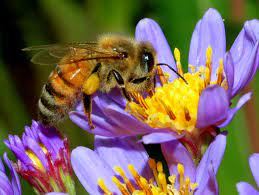
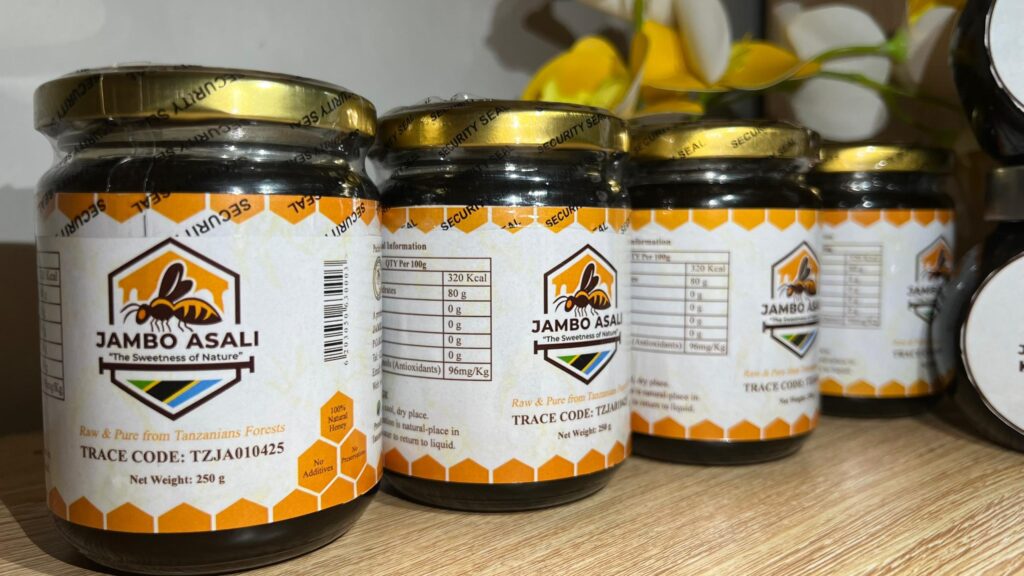
Tanzania is emerging as one of Africa’s most promising honey producing countries, thanks to its diverse flora, favorable climate, and growing awareness of the economic potential of beekeeping. Among the many players propelling the industry forward, Jambo Asali, a rising star in sustainable honey production, is making significant strides in transforming Tanzanian honey into a globally recognized brand.
The Landscape of Honey Production in Tanzania
Tanzania ranks among the top honey producers in Africa, with over 30,000 tons of honey produced annually. The country’s forests, especially in regions like Tabora, Singida, and Katavi, provide a natural sanctuary for wild bees and make organic beekeeping a viable and eco friendly enterprise.
However, the industry has faced challenges such as lack of modern beekeeping knowledge, poor access to global markets, and inconsistent product quality. This is where innovative companies like Jambo Asali step in to bridge the gap between tradition and global standards.
Meet Jambo Asali: A Brand Rooted in Purpose
Founded with a vision to empower local beekeepers and bring high quality, traceable honey to both domestic and international markets, Jambo Asali is not just a business it’s a movement.
The company works directly with rural beekeeping communities, providing them with:
- Modern beekeeping equipment
- Training in sustainable practices
- Guaranteed market access
Through these initiatives, Jambo Asali ensures that their honey is not only pure but also produced ethically and responsibly.
Empowering Communities Through Beekeeping
One of Jambo Asali’s core missions is rural empowerment by turning beekeeping into a reliable source of income, the company helps lift families out of poverty and reduce reliance on environmentally destructive practices such as logging and charcoal burning.
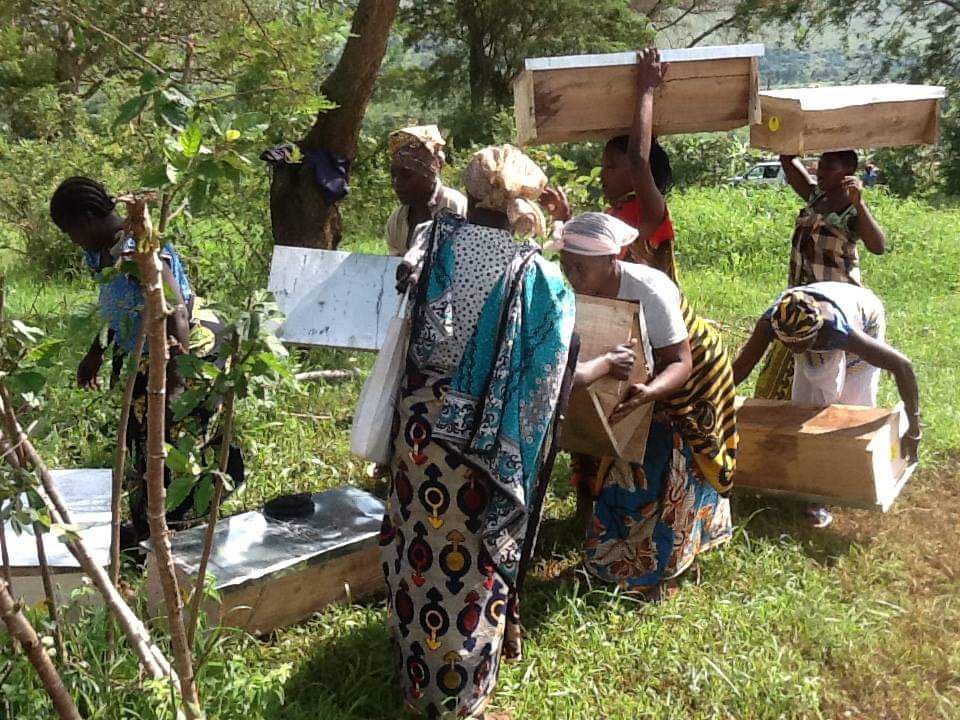
Women and youth are particularly encouraged to participate, breaking traditional barriers and creating new pathways for community development Jambo Asali often collaborates with small beekeepers and development partners to scale their impact across Tanzania.
From Hive to Table: Quality and Transparency
Jambo Asali emphasizes traceability and quality control throughout the honey supply chain.
With packaging that highlights the story of each honey’s origin down to the beekeeper and region Jambo Asali turns each jar into a story of sustainability, resilience, and Tanzanian pride.
The Global Outlook
The demand for organic and natural honey is increasing worldwide, and Tanzanian honey known for its unique floral flavors and medicinal properties is gaining attention in markets like Europe, the Middle East, and Asia.
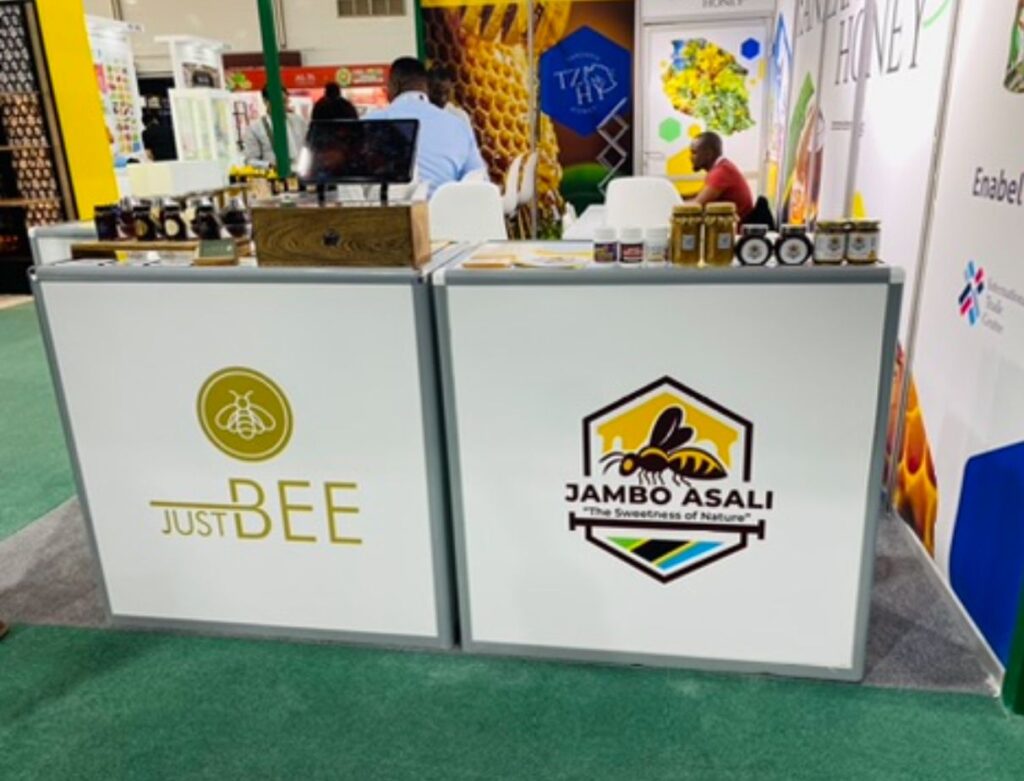
Jambo Asali has positioned itself to take full advantage of this trend. With scalable infrastructure and a strong network of producers, the company is poised to become a major player in the global honey market.
Challenges and the Road Forward
Despite the progress, the Tanzanian honey industry still grapples with:
- Limited access to financing for small-scale beekeepers
- Inadequate road and storage infrastructure in remote areas
- Climate change impacts on bee populations
Jambo Asali continues to advocate for better policies, investment in rural logistics, and greater public-private collaboration to overcome these hurdles.
Conclusion
Tanzania’s honey industry is rich with potential, and companies like Jambo Asali are leading the way in transforming that potential into prosperity. By combining sustainable practices, community empowerment, and a focus on quality, Jambo Asali is not only building a brand it’s building a better future for Tanzania’s people and environment.
As global consumers increasingly seek ethical and natural products, Tanzanian honey especially from pioneers like Jambo Asali is well on its way to becoming a household name around the world.

