

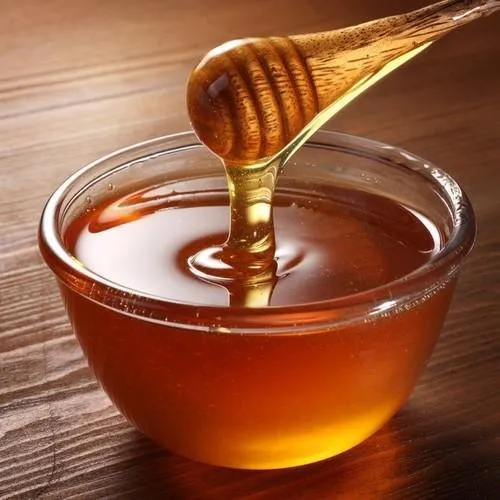
Nestled amidst the breathtaking landscapes of Tanzania, a land renowned for its abundant wildlife and pristine natural beauty, lies a hidden treasure – Jambo Asali honey. This exquisite nectar, produced by industrious bees foraging amongst a tapestry of indigenous flora, has garnered a reputation for its exceptional purity, rich flavor, and profound connection to the Tanzanian ecosystem.
A Symphony of Flavors
Jambo Asali honey is a testament to the diversity of Tanzania’s flora. Each variety, whether sourced from acacia woodlands, miombo forests, or coastal mangroves, offers a unique symphony of flavors. From the delicate floral notes of acacia honey to the bold, earthy tones of forest honey, there’s a Jambo Asali variety to tantalize every palate.
Purity and Quality
At the heart of Jambo Asali’s appeal lies its unwavering commitment to purity and quality honey. The company adheres to strict ethical and sustainable practices, ensuring that every jar of honey is a reflection of Tanzania’s pristine environment. The honey is extracted using traditional methods, preserving its natural integrity and delivering an authentic taste of the Tanzanian wilderness.
A Global Culinary Treasure
Jambo Asali’s dedication to quality and sustainability has not gone unnoticed. The brand’s honey has garnered international acclaim, captivating the discerning palates of gourmet enthusiasts and health-conscious consumers worldwide. As the demand for natural and authentic products continues to grow, Jambo Asali honey is poised to become a global culinary treasure.
A Taste of Tanzania
Beyond its exquisite flavor and purity, Jambo Asali honey offers a unique connection to Tanzania’s rich cultural heritage. Each jar of honey tells a story of the land, the people, and the harmonious relationship between humans and nature. By savoring Jambo Asali honey, you’re not just enjoying a delectable treat; you’re also supporting sustainable practices and contributing to the preservation of Tanzania’s natural heritage.

