

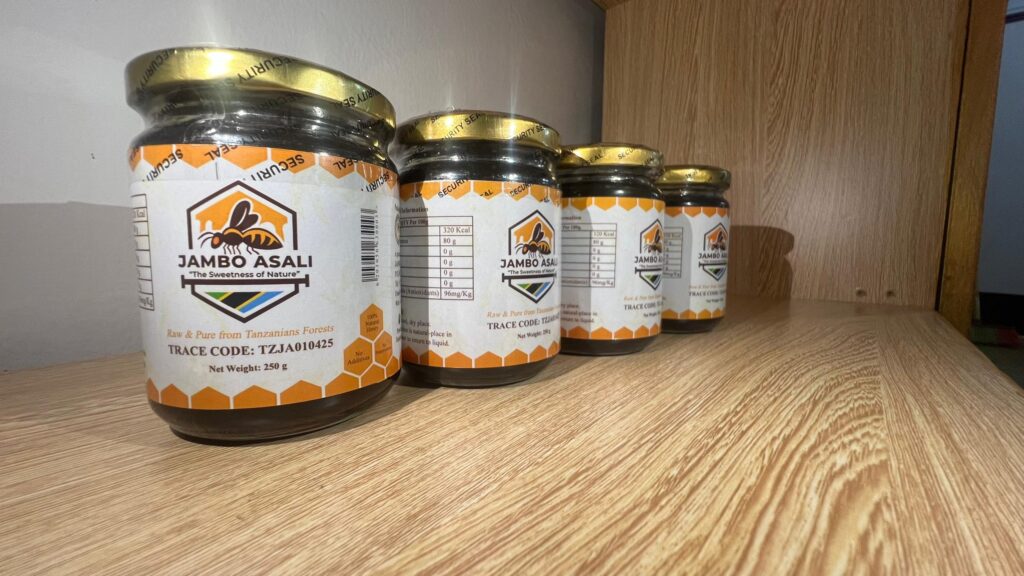
Transforming Tanzania Honey Industry with Jambo Asali is Unleashed golden potentials. Tanzania is buzzing with potential literally as one of Africa’s largest honey producers, the country holds a sweet spot in the global apiculture scene. At the heart of this golden revolution is Jambo Asali, a Tanzanian enterprise that is redefining how honey is produced, marketed, and used across the country and beyond.
The Sweet Landscape of Tanzanian Honey
Tanzania produces about 32,000 metric tons of honey annually, making it one of the top producers in Africa. The country’s vast forest reserves, especially in regions like Tabora, Singida, kigoma and Katavi, provide ideal conditions for beekeeping ,unlike industrial farming, Tanzanian honey is predominantly organic and harvested through traditional and modern beekeeping methods that ensure quality and sustainability.
Despite this potential, for years, the industry struggled with challenges such as poor processing standards, lack of market access, and low public awareness of honey’s broader uses. This is where Jambo Asali entered the picture.
Transforming Tanzania Honey Industry through Jambo Asali?
Jambo Asali, which translates to “Hello Honey,” is a Tanzanian honey company dedicated to producing high quality honey while empowering rural beekeepers. The company operates on a farm to table model, working directly with over 2,000 smallholder beekeepers, primarily in central and western Tanzania.
Founded with a vision to promote sustainable apiculture, Jambo Asali ensures traceability, fair pricing, and training for its partner beekeepers. But the company goes beyond just harvesting and selling honey it’s spearheading a movement.
Redefining the Use of Honey
Jambo Asali has been pivotal in promoting diverse uses of honey in Tanzania, shifting it from a household sweetener to a versatile health and wellness product. Here’s how:
1. Health and Nutrition
Tanzanians have long known the health benefits of honey used traditionally to treat coughs, wounds, and fatigue. Jambo Asali capitalizes on this by promoting raw, unfiltered honey as a daily health supplement. Their marketing highlights honey’s antibacterial and antioxidant properties, appealing to health conscious consumers.
2. Culinary Innovation
In Tanzanian cuisine, honey is gaining popularity as a gourmet ingredient. Jambo Asali has partnered with local chefs and restaurants to introduce honey-infused recipes, including grilled meats, herbal teas, and desserts. They also organize cooking workshops to promote honey as a sugar alternative.
3. Export and Market Expansion
Jambo Asali exports to Europe countries and the Middle East, branding Tanzanian honey as a premium, organic product. The company’s commitment to quality control, eco-certification, and sustainable practices has earned it a loyal following abroad.
4. Empowering Beekeepers, Strengthening Communities
One of Jambo Asali’s greatest impacts is in rural development. By training beekeepers in modern harvesting techniques, providing protective gear, and guaranteeing fair prices, the company has improved incomes and livelihoods across entire communities.
Women and youth, often excluded from formal employment, are actively involved in the beekeeping value chain from hive construction to packaging. Jambo Asali also provides materials to small beekeepers in community.
Challenges and the load ahead
Despite its success, Jambo Asali and Tanzania’s honey sector still face hurdles. Climate change, deforestation, and inconsistent policy support can threaten hive productivity and forest habitats. There’s also a need for stronger enforcement of quality standards to curb counterfeit honey in local markets.
Still, with growing local awareness and international demand, the future looks bright. Jambo Asali is currently exploring innovations such as pollination services for agriculture and digital traceability systems for tracking honey from hive to shelf.
Conclusion: A Model for Africa
Jambo Asali is more than just a honey company it’s a model for how local enterprise can drive sustainable agriculture, rural empowerment, and environmental conservation. As Tanzania continues to unlock the value of its natural resources, honey golden, pure, and full of promise may very well be one of its sweetest successes.

