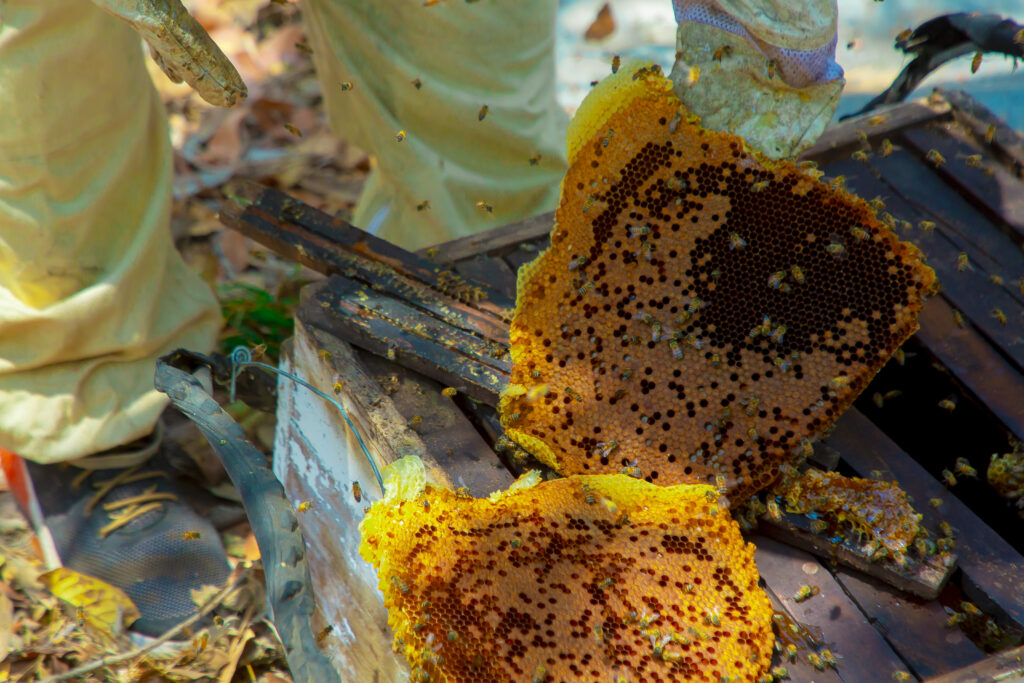
Tanzania, with its diverse flora and fauna, is a treasure trove of natural resources, and its honey is a prime example. From the acacia-strewn plains to the lush forests, bees thrive, producing a range of honeys with unique flavors and potent health benefits. For those looking to invest in a natural product that supports both their well-being and the local economy, Tanzanian honey, especially brands like Jambo Asali, offers a compelling choice.
The Potential of Natural Honey:
- Health Benefits:
- Natural honey is rich in antioxidants, which can help protect the body against cell damage.
- It has antibacterial and antifungal properties, making it a natural remedy for minor infections and wounds.
- Honey can soothe sore throats and coughs, providing relief from respiratory ailments.
- It is a natural energy source, providing a quick and sustained boost.
- Some studies suggest that honey can help improve sleep quality.
- Biodiversity:
- Bees are crucial pollinators, playing a vital role in maintaining the health and diversity of ecosystems.
- By supporting beekeeping, we contribute to the preservation of natural habitats and the growth of diverse plant life.
- Sustainable beekeeping practices promote environmental conservation and reduce reliance on harmful pesticides.
- Tanzanian Economy:
- The honey industry provides livelihood opportunities for many Tanzanian communities, particularly in rural areas.
- It contributes to economic diversification and reduces reliance on single-crop agriculture.
- Exporting high-quality honey can generate valuable foreign exchange earnings.
- Increasing the value added products that are created from honey, such as beeswax products, increase the economic potential.
Jambo Asali: A Preferred Choice:
Jambo Asali has earned a reputation for producing high-quality, pure Tanzanian honey. Several factors contribute to its popularity:
- Purity and Quality:
- Jambo Asali emphasizes natural beekeeping practices, ensuring that their honey is free from additives and contaminants.
- They often source honey from specific regions, allowing consumers to experience the unique flavors and characteristics of different floral sources.
- They are dedicated to quality control, and adhere to food safety standards.
- Traceability and Sustainability:
- Many consumers appreciate knowing where their honey comes from. Jambo Asali often provides information about the regions and beekeepers involved in their production.
- They often work with local beekeepers, promoting sustainable practices and fair trade.
- Taste and Variety:
- Tanzania’s diverse flora results in a wide range of honey flavors, from light and floral to rich and robust.
- Jambo Asali offers a selection of these varieties, catering to different taste preferences.
- Brand Reputation:
- Through consistent quality, and good business practices, the brand has created a level of trust with its customers.
Buying Tanzanian Honey:
When purchasing Tanzanian honey, consider the following:
- Source: Look for honey that is sourced from reputable beekeepers or companies that prioritize sustainable practices.
- Purity: Choose raw, unfiltered honey whenever possible, as it retains more of its natural nutrients.
- Labeling: Check the label for information about the floral source, region of origin, and any certifications.
- Local Support: Buying directly from local beekeepers or markets can help support the local economy.
In conclusion, buying Tanzanian honey, particularly from trusted brands like Jambo Asali, is a wise investment in your health, the environment, and the Tanzanian economy. By choosing natural, high-quality honey, you can enjoy the sweet benefits of nature while supporting sustainable livelihoods and biodiversity conservation.