

Introduction
Tanzania, home to vast forests and diverse ecosystems, is emerging as a key player in Africa’s apiculture industry. With over 9 million hectares of forest land and a tradition of beekeeping dating back generations, the country has untapped potential in honey production. This opportunity is being brought to light by forward thinking enterprises like Jambo Asali, a rising star in Tanzania’s honey industry.
The State of Honey Production in Tanzania
Tanzania is the second largest honey producer in Africa, following Ethiopia. According to the Tanzania Forest Services Agency, the country produces about 30,000 to 45,000 tons of honey annually, with potential to exceed 138,000 tons . Despite this potential, the sector has long been underdeveloped, hindered by poor processing techniques, limited market access, and a lack of investment in value addition.
However, that narrative is beginning to change. Increasing demand for natural, organic products both domestically and internationally has opened new market opportunities. With improved practices and a shift toward sustainable and commercial beekeeping, Tanzania could become a global supplier of high-quality honey and beeswax.
Jambo Asali: A Model for Inclusive and Sustainable Growth
Founded in 2021, Jambo Asali is a Tanzanian social enterprise that is changing how honey is produced, processed, and marketed in the country. The company partners with rural beekeepers, particularly in central and northern Tanzania, to source raw honey. Jambo Asali then processes, packages, and sells the honey under its own brand.
Key Features of the Jambo Asali Model
Working with Rural Communities
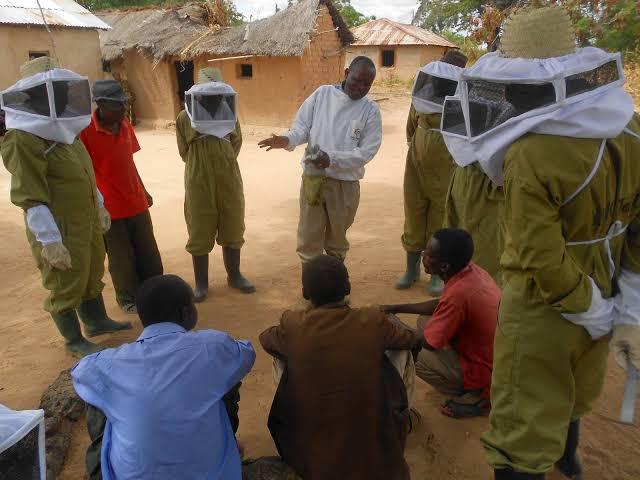
Jambo Asali sources honey from over 3,000 smallholder beekeepers, many of whom use traditional hives. The company provides training, modern hives, and protective gear to improve both yield and quality. This approach ensures that income from honey production supports some of the most economically marginalized areas of Tanzania.
Value Addition and Quality Control
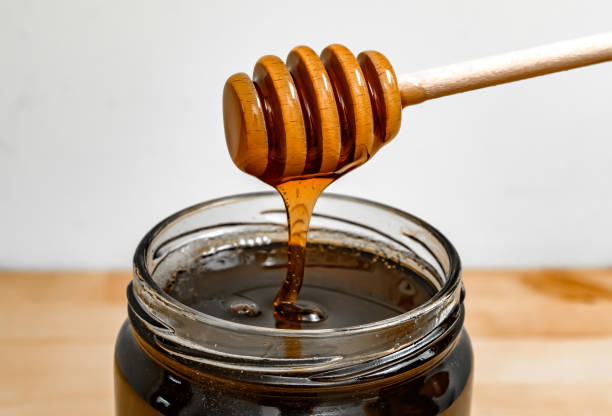
The honey collected by Jambo Asali undergoes rigorous filtration and pasteurization at its processing center in Tabora, pure, and free from chemical additives qualities that appeal to health conscious consumers in East Africa and abroad.
Market Access and Branding
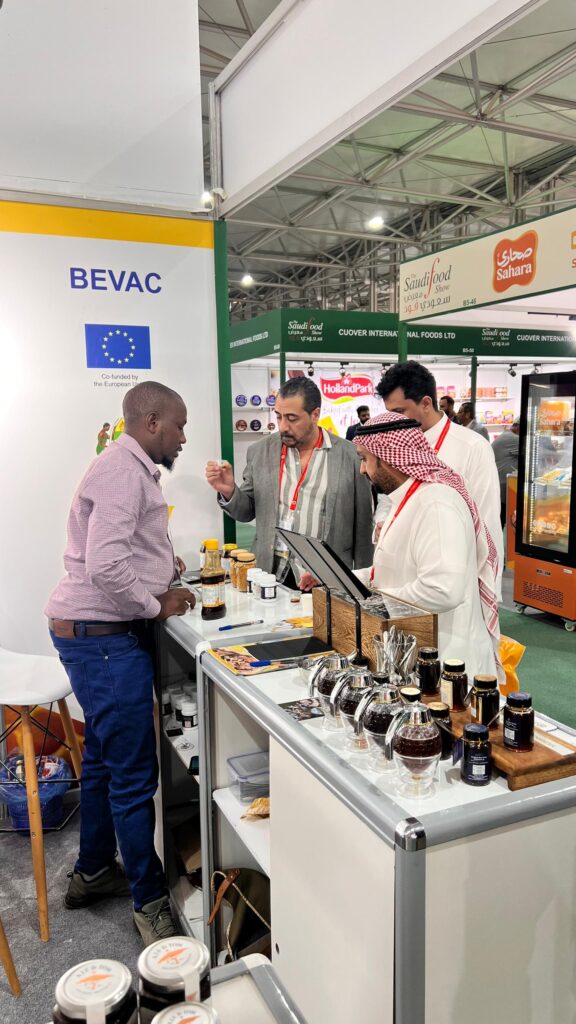
Through strategic partnerships with supermarkets, e-commerce platforms, and international distributors, Jambo Asali has created a strong brand identity. Their products, packaged in recyclable glass jars, are now stocked in premium outlets in Tanzania and beginning to reach international markets.
Challenges in the Sector
While companies like Jambo Asali are making significant strides, challenges persist:
Climate change and deforestation threaten bee habitats.
Lack of certification can hinder export potential to markets with strict organic standards (e.g., EU and North America).
Limited financing prevents smallholders from upgrading equipment or scaling operations.
These hurdles underscore the need for broader policy support, investment in research, and improved infrastructure.
The Road Ahead
Jambo Asali plans to expand its operations by introducing new bee products like propolis, royal jelly, and bee pollen . The company also aims to obtain international organic certification, unlocking access to higher value global markets. By scaling its impact model, Jambo Asali hopes to integrate over 10,000 beekeepers into its supply chain by 2030.
Conclusion
Tanzania’s honey sector holds sweet prospects, and Jambo Asali exemplifies how thoughtful, inclusive business models can unlock value while supporting rural livelihoods. With the right mix of innovation, investment, and environmental stewardship, Tanzanian honey could become a symbol of sustainable development and a global export success.

