

Why Miombo Forest Honey by JAMBO ASALI Stands Out from Tanzania to the World
Across Africa’s vibrant honey landscape, the brands that rise to the top do three things exceptionally well: protect biodiversity, guarantee uncompromising quality, and earn the trust of international buyers. JAMBO ASALI an export brand of Tanzania International Bee Co. Ltd does all three, powered by the unique character of Miombo forest honey and a rigorously professional approach to sourcing, processing, and traceability. This article explains what “best” really means, why Miombo matters, and how JAMBO ASALI has earned recognition in Europe and the USA.
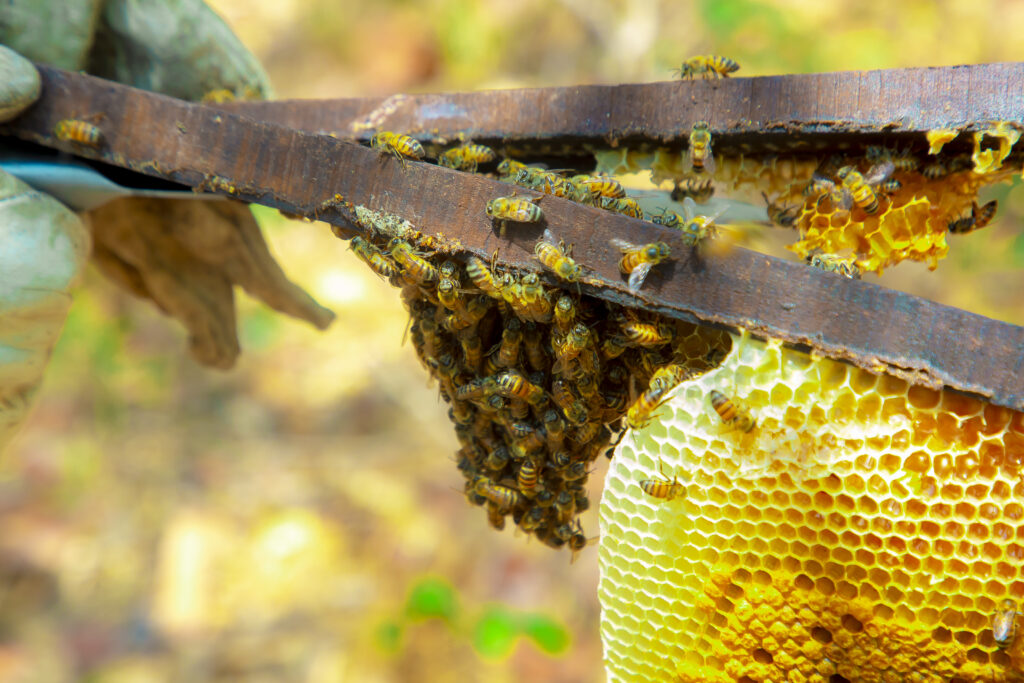
What “Best Honey Brand in Africa” Really Means
“Best” isn’t just a flavor contest. It’s a blend of:
- Source excellence: pristine forage, minimal contaminants, and strong floral diversity.
- Process excellence: hygienic harvesting, gentle warming (or none), moisture control, filtration that preserves natural enzymes, and robust traceability.
- Sustainability: beekeeping methods that protect forests and livelihoods.
- Market trust: consistent lab results, export readiness, and customer satisfaction.
JAMBO ASALI meets these standards with a Miombo forest supply base, modern processing, and a transparent quality program that satisfies stringent international buyers.
Meet the Miombo: Africa’s Honey Powerhouse
The Miombo woodlands stretch across Tanzania and neighboring countries and are dominated by Brachystegia, Julbernardia, and Isoberlinia trees. For beekeepers, Miombo is a dream:
- Rich nectar flow & long flowering windows → dense, aromatic honey with a balanced sweetness.
- Low agricultural pressure → lower risk of pesticide contamination compared with intensive farming zones.
- Wild forage diversity → complex flavor notes (lightly smoky, floral, and malty undertones) and robust natural compounds.
Sensory Profile of Miombo Honey (Typical)
- Color: light amber to amber (may deepen with age).
- Aroma: warm, woody-floral with subtle resin notes.
- Taste: rounded sweetness, gentle acidity, caramel/malt hints; clean finish.
- Texture: naturally viscous; may crystallize slowly with fine crystals due to glucose–fructose balance.
(Note: Natural crystallization is a sign of authentic, minimally processed honey.)
Why Miombo Honey from JAMBO ASALI Feels Different
JAMBO ASALI has built its name on Miombo-origin honey—sourced from protected and community-managed forests in Tanzania. Key differentiators:
- Forest-first sourcing: Outgrower networks in Miombo regions help protect habitat while creating rural income.
- Clean value chain: Traditional and modern hives positioned away from intensive agriculture reduce contaminant risk.
- Batch-level traceability: From apiary cluster → collection center → processing → export documentation.
- Gentle processing: Moisture control, careful sieving/filtration, and heat practices designed to preserve enzymes, aromatics, and pollens.
Quality & Safety: How JAMBO ASALI Builds Trust
International buyers (retailers, importers, and bulk packers) require repeatable quality, not one-off luck. JAMBO ASALI’s quality system includes:
- Pre-shipment lab analysis: Moisture, HMF, diastase activity, acidity, conductivity, and antioxidant indicators.
- Residue vigilance: Risk-based screening for antibiotics and pesticides aligned with EU/US thresholds.
- Food-grade bulk packaging: Typically 28 kg food-grade buckets for export, protecting integrity during transit and simplifying downstream repacking.
- Export readiness: Company registration for international trade (including EU systems) and documentation workflows aligned to destination-market rules.
- Customer-side verification: Openness to additional third-party testing by buyers’ preferred laboratories to confirm compliance with specific market demands.
Result: Consistent, audit-ready shipments and strong repeat business.
Sustainability & Community Impact
The best African honey brands don’t just extract; they steward.
- Forest conservation via beekeeping: By making standing forests economically valuable, beekeeping reduces pressure on Miombo ecosystems.
- Skills & tools for outgrowers: Training on hive hygiene, harvest timing, moisture control, and post-harvest handling improves household incomes and product quality.
- Regional development: JAMBO ASALI engages beekeepers across key honey belts in Tanzania (e.g., Tabora, Kigoma, Katavi, Dodoma) and operates processing capacity such as the Kibondo Honey Processing Center—improving quality control, aggregation, and logistics.
- Waste-aware operations: Emphasis on reusable containers, clean collection centers, and minimal-waste processing.
Medicinal & Functional Value: What the Science Suggests
While regulations restrict disease claims, peer-reviewed research on natural honey supports these general properties:
- Antioxidant activity: Polyphenols and flavonoids help neutralize free radicals.
- Antimicrobial properties: Low water activity, acidity, hydrogen peroxide generation, and phytochemicals inhibit many microbes.
- Soothing support: Traditionally used for sore throat relief and as a natural sweetener with a lower glycemic impact than refined sugar (effects vary by individual and honey type).
- Wound-care heritage: Certain honeys have a history in topical applications (always follow medical guidance).
Miombo honey from JAMBO ASALI is typically raw or gently processed, preserving enzymes (like diastase), acids, and aromatics that contribute to these properties. Consumers seeking functional foods value the forest provenance and minimal processing that keep honey closer to its natural state.
Important: Honey is not a medicine. People with medical conditions or infants under 12 months should follow professional advice.
International Recognition: Europe & USA
JAMBO ASALI has built a solid export footprint:
- European market: Shipments to multiple EU countries with documentation aligned to EU requirements; buyers often conduct their own independent lab tests in recognized laboratories for added assurance.
- USA & other destinations: Growing presence in markets that value raw, forest-origin honey with traceability.
- Trade show participation & buyer audits: Transparent quality files (technical sheets, lab analyses) and facility/process reviews that meet importer expectations.
This combination forest-grade quality + export discipline is why buyers in Europe ,ASIA and the USA increasingly recognize JAMBO ASALI as a trusted Tanzanian honey brand.
How JAMBO ASALI Compares
- Origin integrity: 100% Miombo forest sourcing vs. blended multi-country honeys.
- Traceability: Batch-level records from beekeeper cluster to container.
- Consistency: Tight controls on moisture and HMF protect shelf life and flavor.
- Partnership mindset: Open to buyer-driven specs (e.g., pollen profile checks, antibiotic and pesticide panels, MGO/TA markers when requested).
- Sustainability: Real benefits for forests and beekeeping communities, not just marketing claims.
Buyer Checklist: Verifying “Best in Africa”
If you’re a wholesaler, retailer, or brand owner evaluating suppliers, ask for:
- Source documentation: Apiary maps, harvest windows, and Miombo provenance.
- Lab results: Moisture, HMF, diastase, acidity, conductivity, sugars profile; residue screenings.
- Process SOPs: Sieving/filtration, warming limits, moisture control, and cleaning protocols.
- Traceability records: From beekeeper to lot to export docs.
- Third-party testing: Willingness to test with your preferred international lab.
- Packaging spec: Food-grade bulk (e.g., 28 kg buckets) with tamper-evident sealing.
JAMBO ASALI meets these expectations and actively encourages buyer-side verification.
CONCLUSSION
Africa’s honey sector is rich and diverse ,but when you weigh origin purity, quality control, sustainability, and global market trust, JAMBO ASALI from Miombo forest from Tanzania makes a compelling case as one of the best honey brands in Africa. It’s the rare combination of forest terroir and export-grade reliability that keeps international customers coming back.
Quick FAQ
Q: What makes Miombo honey special?
A: Diverse forest nectar, low pesticide pressure, and a warm, woody-floral flavor profile with excellent natural compounds.
Q: Is JAMBO ASALI raw?
A: It’s produced to preserve natural enzymes and aromatics. Any warming is carefully controlled to maintain quality while ensuring safety and stability.
Q: How is quality verified?
A: Pre-shipment lab tests, residue risk screening, strict moisture/HMF controls, and openness to buyer-selected international labs.
Q: Why bulk 28 kg buckets for export?
A: Food-grade buckets protect product integrity and let importers re-pack for local market formats cost-effectively.
Q: Where is JAMBO ASALI recognized internationally?
A: Established exports to Europe and growing sales in the USA, supported by documentation and buyer-side lab verification.

