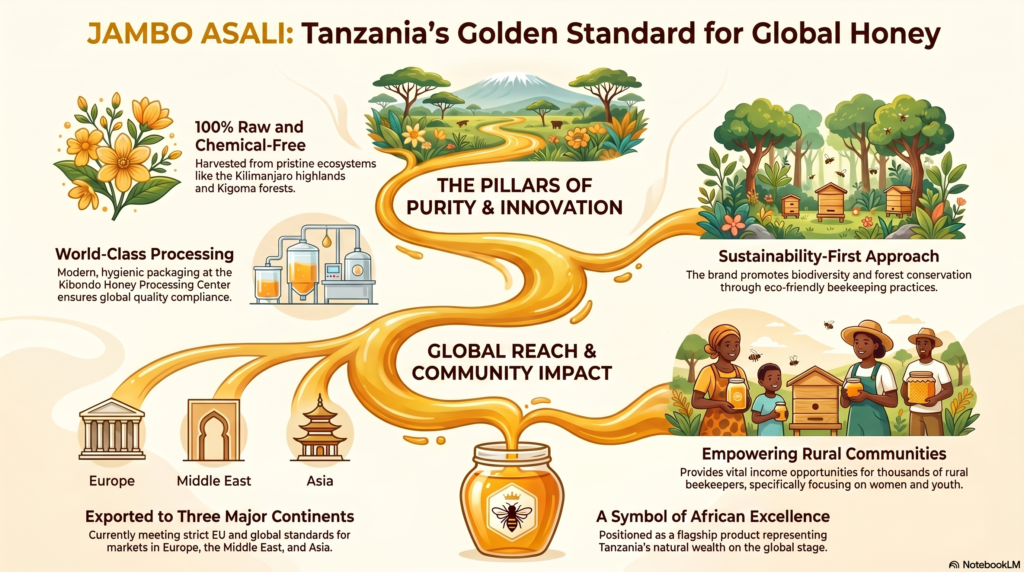
How CRDB Bank Foundation and COSTECH Are Transforming Tanzania’s Honey Industry Through Innovation, Digital Technology, and Inclusive Financing
Feature Story | 2026 Success Edition
A Historic Milestone for Tanzania’s Beekeeping Industry
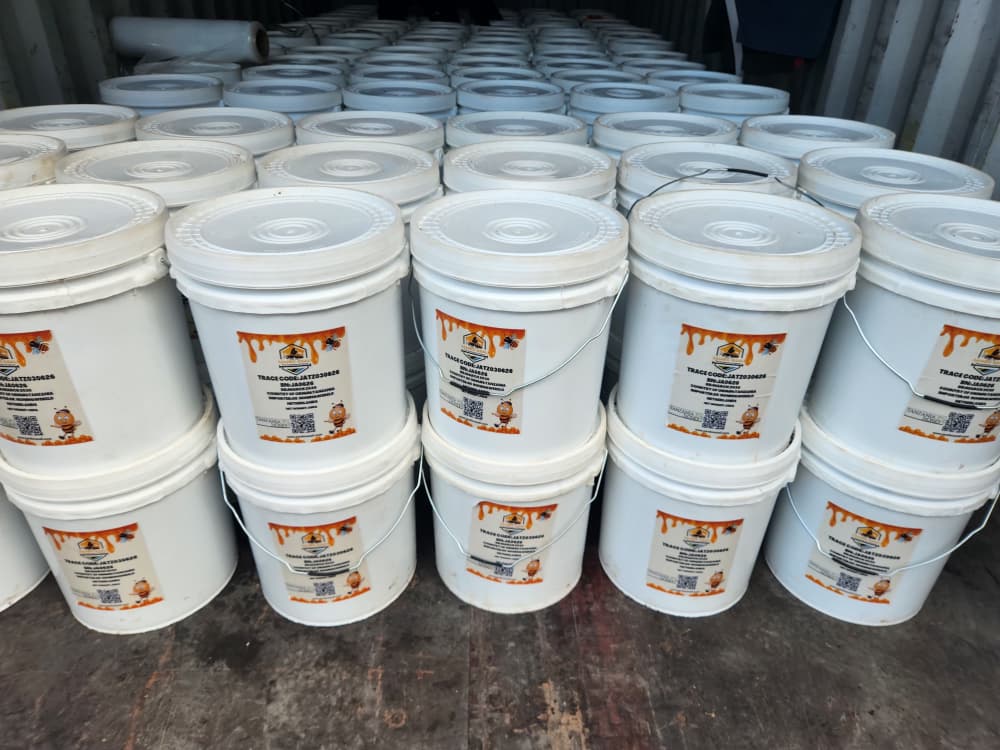
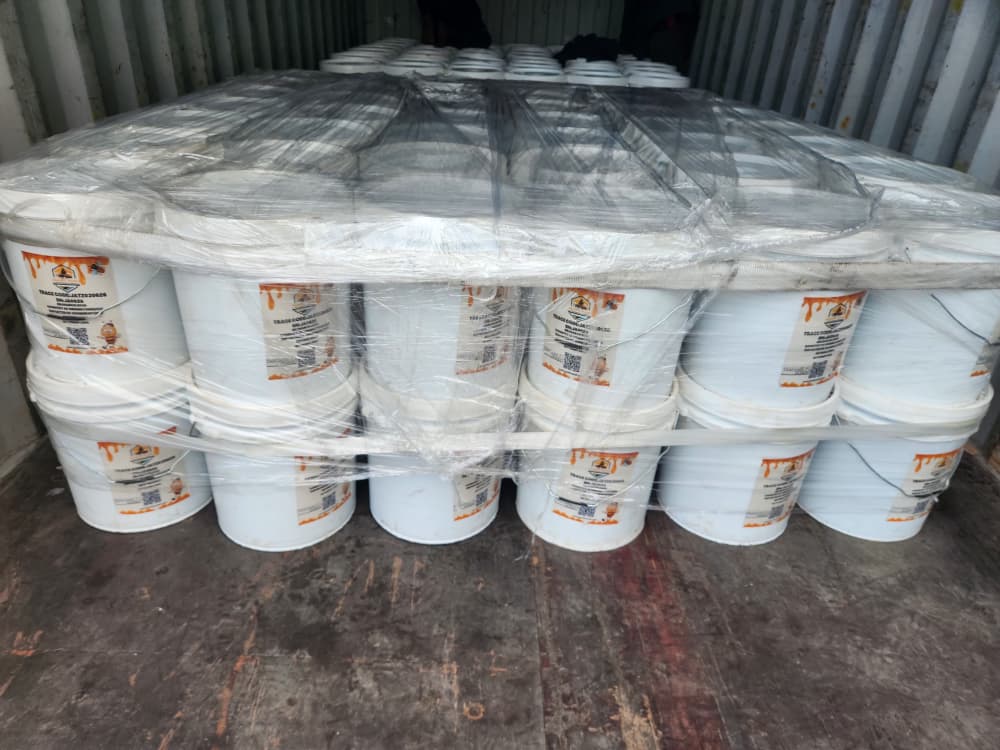
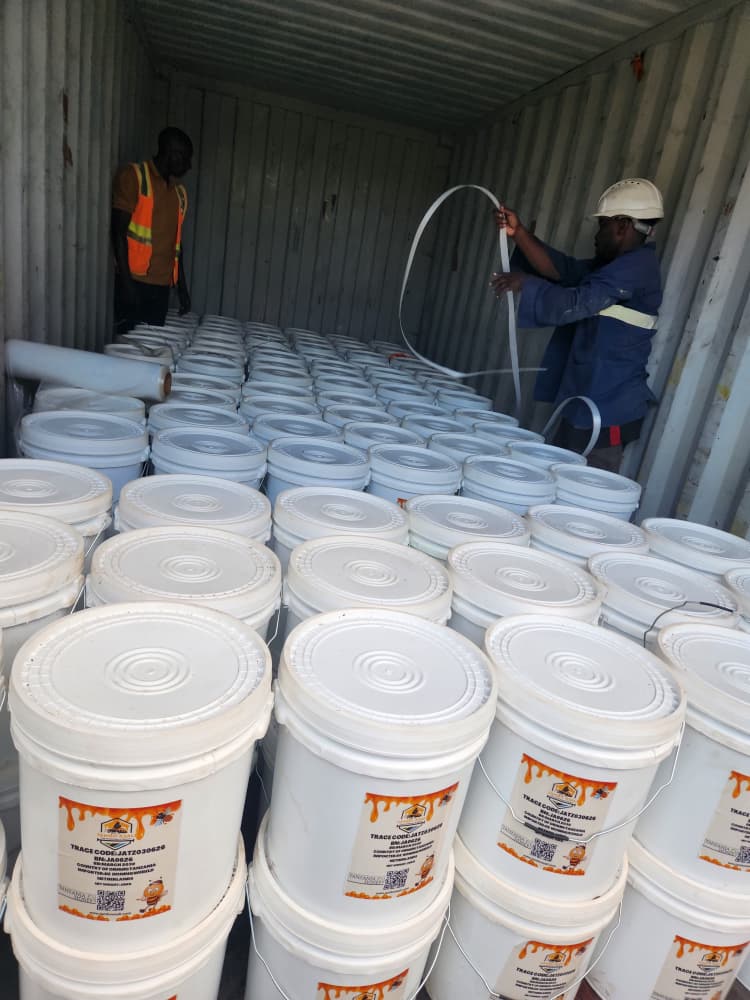
In 2026, Tanzania celebrated a landmark achievement in the country’s Beekeeping transformation journey. Premium natural honey harvested from the pristine Miombo forests of Kigoma and Tabora successfully entered the European market, marking a defining moment for Tanzania’s beekeeping sector and demonstrating the country’s ability to compete in demanding international food markets.
Behind this milestone lies a powerful story of innovation, strategic financing, and collaboration.
At the center of this transformation is Tanzania International Bee Co. Ltd, popularly known by its consumer brand JAMBO ASALI, whose remarkable growth from a local honey processor into an international exporter has been accelerated through the visionary support of the CRDB Bank Foundation and the Tanzania Commission for Science and Technology (COSTECH).
Their investment in affordable working capital and digital innovation has not only enabled a Tanzanian enterprise to access European markets but has also transformed the lives of more than 2,000 smallholder beekeepers across Kigoma and Tabora, creating employment opportunities for young people, strengthening rural economies, and showcasing the enormous potential of Tanzania’s honey industry.

“This Is More Than an Export, It Is a Story of Rural Transformation”
“Our success belongs to thousands of beekeepers whose dedication produces some of the world’s finest natural forest honey. Without the confidence and support provided by CRDB Bank Foundation and COSTECH, many of these international opportunities would have remained beyond our reach. Their support has transformed innovation into economic opportunity for rural communities.”
Musiba Paul Kitema
CEO, Tanzania International Bee Co. Ltd (JAMBO ASALI)
Tanzania’s Untapped Honey Potential
Tanzania possesses one of Africa’s richest natural ecosystems for beekeeping.
Millions of hectares of Miombo woodlands, mangrove forests, and mountain ecosystems provide ideal conditions for producing premium natural honey with distinctive floral characteristics highly valued in international markets.
Despite this natural advantage, many smallholder beekeepers have historically faced significant challenges:
- Limited access to organized markets.
- Insufficient processing capacity.
- Inadequate working capital.
- Weak quality assurance systems.
- Limited compliance with international food safety standards.
- Lack of digital traceability required by global buyers.
As a result, much of Tanzania’s high-quality honey remained confined to domestic markets despite growing international demand.
Recognizing this opportunity, JAMBO ASALI embarked on a mission to bridge the gap between rural producers and international consumers.
The Role of CRDB Bank Foundation: Financing Growth That Matters
One of the greatest obstacles facing growing agricultural enterprises is access to affordable working capital.
Export businesses require substantial upfront financing to purchase raw materials, process products according to international standards, package shipments, and fulfill export contracts before receiving payment from overseas buyers.
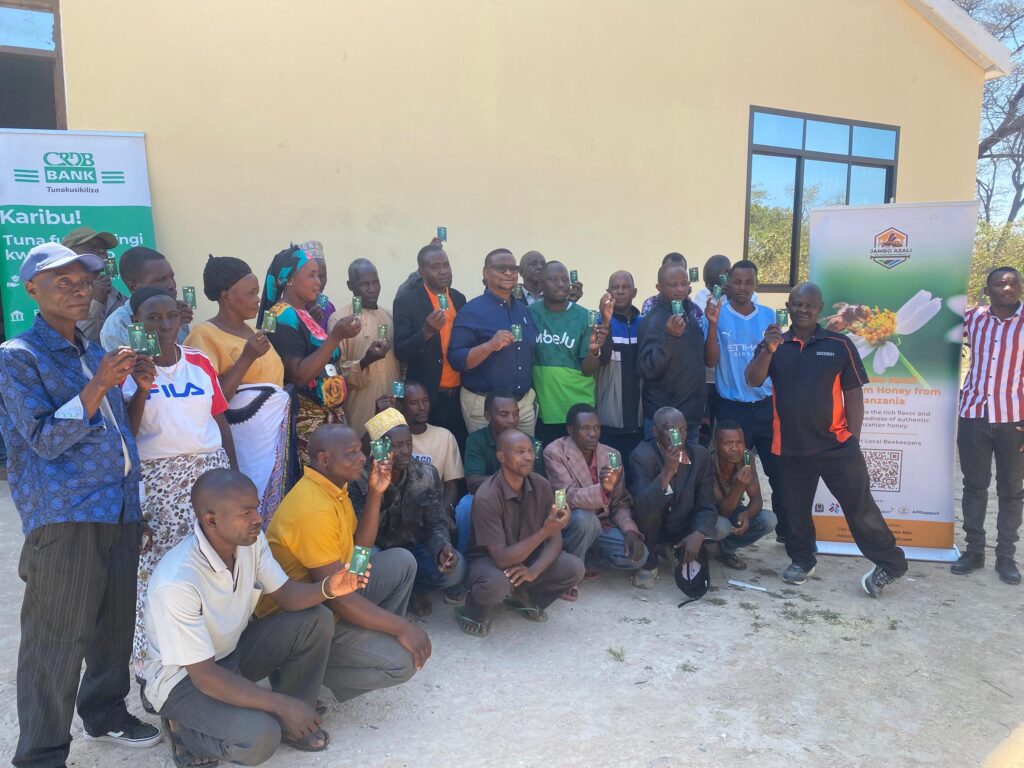
Understanding these challenges, CRDB Bank Foundation provided strategic financial support that enabled JAMBO ASALI to scale its operations at a critical stage of growth.
The soft financing enabled the company to:
- Purchase significantly larger quantities of honey directly from rural beekeepers.
- Improve cash flow during harvesting seasons.
- Build export-ready inventory.
- Strengthen quality assurance systems.
- Expand processing operations.
- Meet international customer demand without supply interruptions.
The financing did far more than support one business, it unlocked economic opportunities for thousands of households dependent on commercial beekeeping.
COSTECH: Driving Innovation Through Technology
While financing was essential, competing in European markets required another critical ingredient innovation.
Through its commitment to supporting science, technology, and innovation-driven enterprises, COSTECH played an instrumental role in accelerating JAMBO ASALI’s digital transformation.
The organization supported innovation that enabled the company to modernize its operations while strengthening transparency throughout the honey value chain.
The most significant achievement has been the implementation of a Digital Honey Traceability System, connecting rural producers with international buyers through technology.
Digital Honey Traceability: Building Trust One Batch at a Time
Today’s international consumers increasingly want to know where their food comes from.
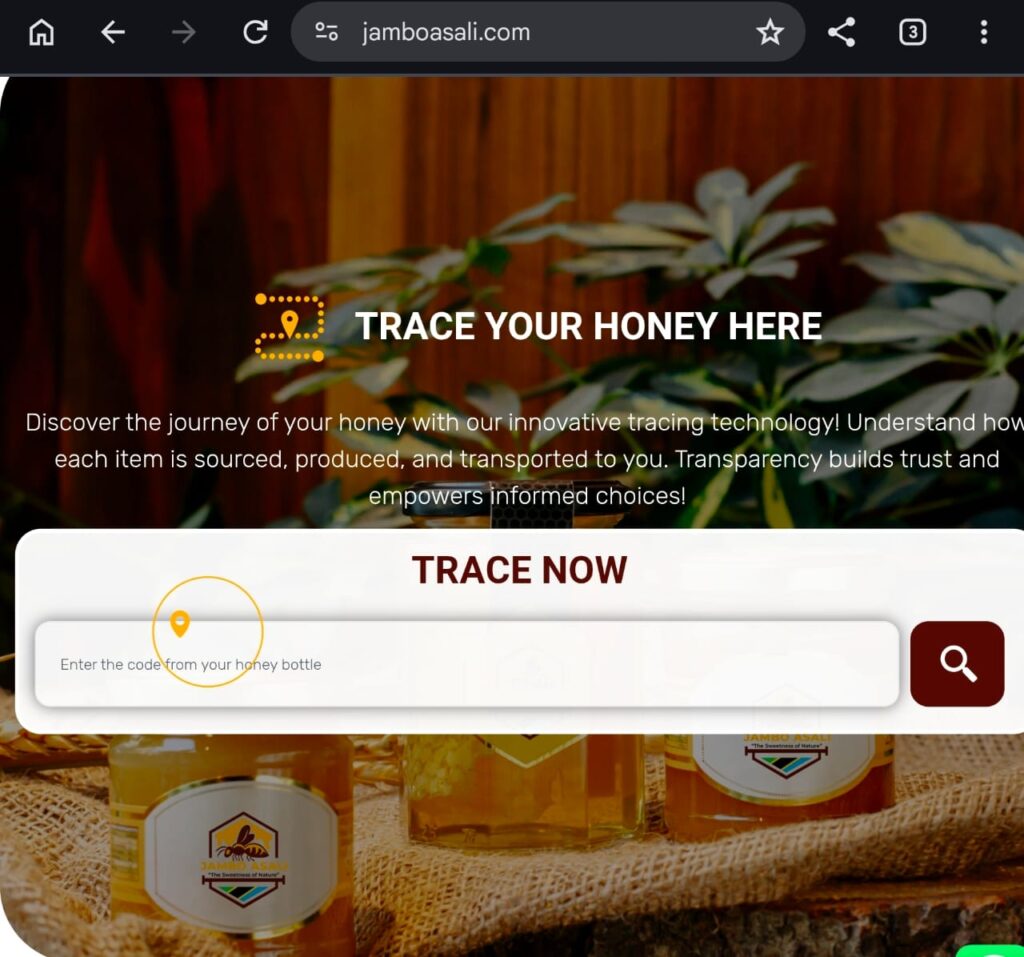
European importers require detailed traceability, ensuring every product can be tracked from its origin to the final destination.
To meet these expectations, JAMBO ASALI developed an advanced digital traceability platform that records every stage of the honey journey.
The system enables:
- Registration of individual beekeepers.
- Digital identification of production locations.
- Batch-level honey tracking.
- Quality inspection records.
- Processing documentation.
- Packaging information.
- Export shipment verification.
Every shipment exported can now be traced back to the communities that produced it.
This level of transparency has significantly strengthened buyer confidence while positioning Tanzanian honey as a trusted premium product.
Impact at a Glance
2026 Transformation Highlights
| Indicator | Impact |
| Registered Beekeepers Supported | 2,000+ |
| Primary Regions | Kigoma & Tabora |
| International Market Access | European Union |
| Digital Traceability | Fully Implemented |
| Processing Capacity | Significantly Expanded |
| Rural Communities Benefiting | Dozens |
| Youth Employment Created | Growing Across the Value Chain |
| Export Readiness | International Standards Achieved |
From Village Beekeepers to Global Supply Chains
Perhaps the greatest achievement is the inclusion of rural producers in international value chains.
Thousands of beekeepers who once depended solely on unpredictable local markets now contribute to premium export products reaching consumers across Europe.
For these producers, export success translates into:
- More reliable markets.
- Higher purchasing volumes.
- Improved household incomes.
- Greater business confidence.
- Incentives to improve honey quality.
- Increased investment in modern beekeeping.
This transformation demonstrates how inclusive agribusiness can become a powerful tool for poverty reduction and rural economic development.
Creating Jobs Beyond the Hive
The growth of JAMBO ASALI has also created employment opportunities far beyond honey production.
As export volumes increased, demand expanded across multiple parts of the value chain.
New employment opportunities have emerged in:
- Honey aggregation.
- Processing operations.
- Laboratory quality assurance.
- Packaging.
- Warehouse management.
- Digital data collection.
- Logistics.
- Export documentation.
- Sales and marketing.
- ICT support.
- Supply chain coordination.
Young Tanzanians, particularly graduates with backgrounds in agriculture, food science, ICT, and business, are increasingly finding opportunities within this growing industry.
Empowering Women and Rural Families
Commercial beekeeping has become an important source of income for many rural households.
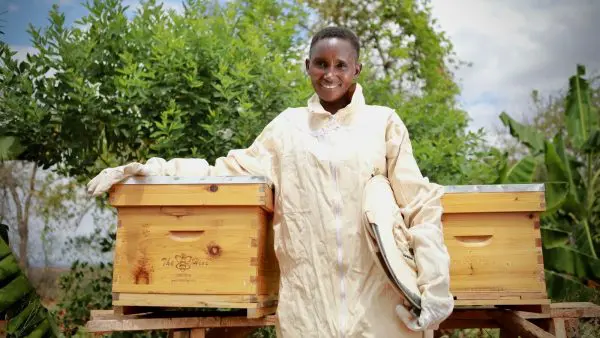
Women have increasingly participated in honey harvesting, processing, packaging, and entrepreneurship, benefiting from more structured market access.
The growing export demand has encouraged families to invest further in sustainable beekeeping practices, creating diversified household incomes while reducing dependence on environmentally destructive activities.
Meeting European Standards
Accessing European markets requires rigorous compliance with food safety regulations.
With institutional support, JAMBO ASALI strengthened its operational systems by improving:
- Product quality management.
- Hygiene standards.
- Processing procedures.
- Documentation systems.
- Quality testing.
- Traceability records.
- Export compliance.
These improvements positioned the company to satisfy demanding international customer requirements while enhancing the reputation of Tanzanian honey abroad.
Catalytic Financing: A Model for SME Growth
The JAMBO ASALI story illustrates how catalytic financing can unlock transformational growth.
Rather than providing conventional loans alone, the support focused on enabling innovation, improving competitiveness, and strengthening long-term sustainability.
This integrated approach demonstrates that strategic financing can generate benefits extending far beyond individual businesses.
Every investment in a growing SME has the potential to generate ripple effects throughout entire value chains, creating employment, increasing production, expanding exports, and improving livelihoods.
A National Commitment to Innovation
The partnership between JAMBO ASALI, CRDB Bank Foundation, and COSTECH reflects Tanzania’s broader vision of building a knowledge-based, innovation-driven economy.
By supporting innovative SMEs with financing, technology, and commercialization support, Tanzania is creating globally competitive enterprises capable of delivering inclusive economic growth.
This model serves as an example for other agricultural sectors seeking to transition from commodity production to value-added exports.
Voices from the Field
“Before joining the organized supply chain, selling honey was unpredictable. Today we have a reliable buyer, better prices, and confidence that our honey reaches customers overseas.”
Bumema Mkwete, Representative of the JAMBO ASALI Beekeepers Network, Kigoma
“Technology has changed everything. Every batch we process can now be traced back to the beekeeper. That transparency gives international buyers confidence in Tanzanian honey.”
Best Marobe, Quality Assurance officer, JAMBO ASALI
A Partnership Creating Lasting Impact
The successful export of Tanzanian honey to Europe in 2026 represents far more than a commercial achievement.
It demonstrates what becomes possible when visionary institutions invest in innovation-driven enterprises with strong community roots.
Through strategic support from CRDB Bank Foundation and COSTECH, JAMBO ASALI has transformed from a growing local enterprise into a globally competitive exporter while improving the livelihoods of more than 2,000 beekeepers across Kigoma and Tabora.
The impact reaches beyond exports. It is reflected in new jobs for young people, stronger rural incomes, enhanced technological capability, improved international competitiveness, and greater confidence in Tanzanian-made products.
As Tanzania continues to promote entrepreneurship, innovation, and value addition, the JAMBO ASALI story stands as a compelling example of how collaboration between financial institutions, innovation agencies, and private enterprise can unlock sustainable development and position Tanzania proudly on the global stage.
Impact Summary
Financial Partner: CRDB Bank Foundation
Innovation Partner: Tanzania Commission for Science and Technology (COSTECH)
Enterprise: Tanzania International Bee Co. Ltd (JAMBO ASALI)
Primary Beneficiaries: 2,000+ Beekeepers in Kigoma and Tabora
Key Innovation: Digital Honey Traceability System
Major Achievement: Successful Export of Premium Tanzanian Honey to the European Market (2026)
Development Outcomes: Increased rural incomes, expanded market access, youth employment, technology adoption, SME growth, and enhanced export competitiveness.