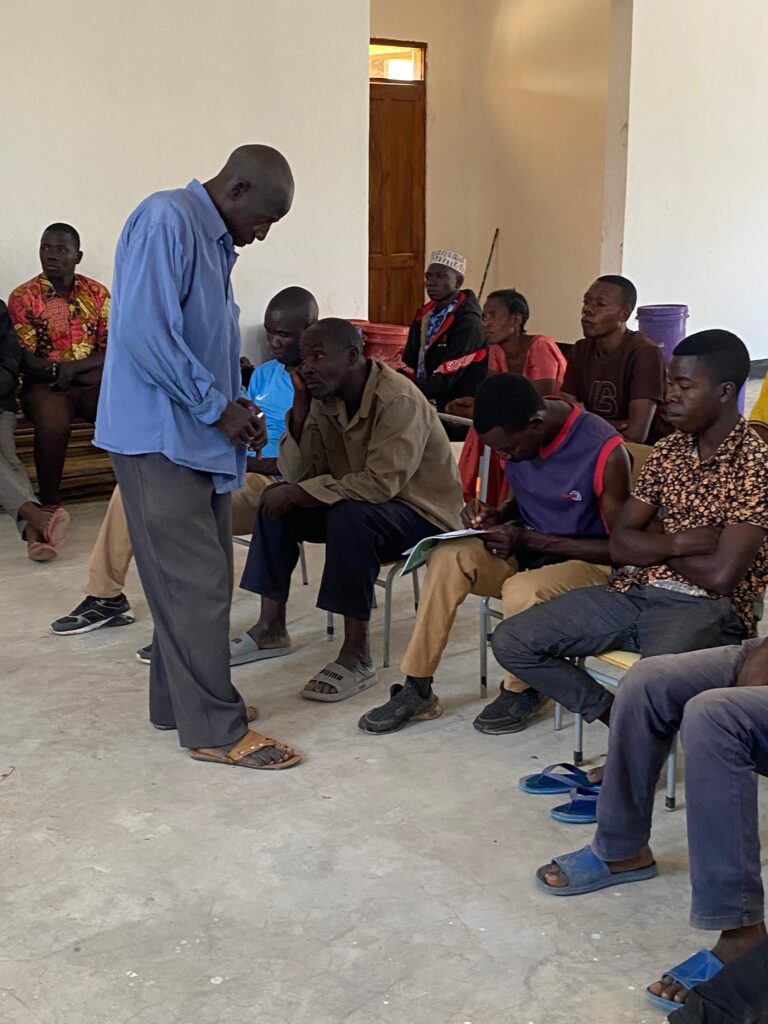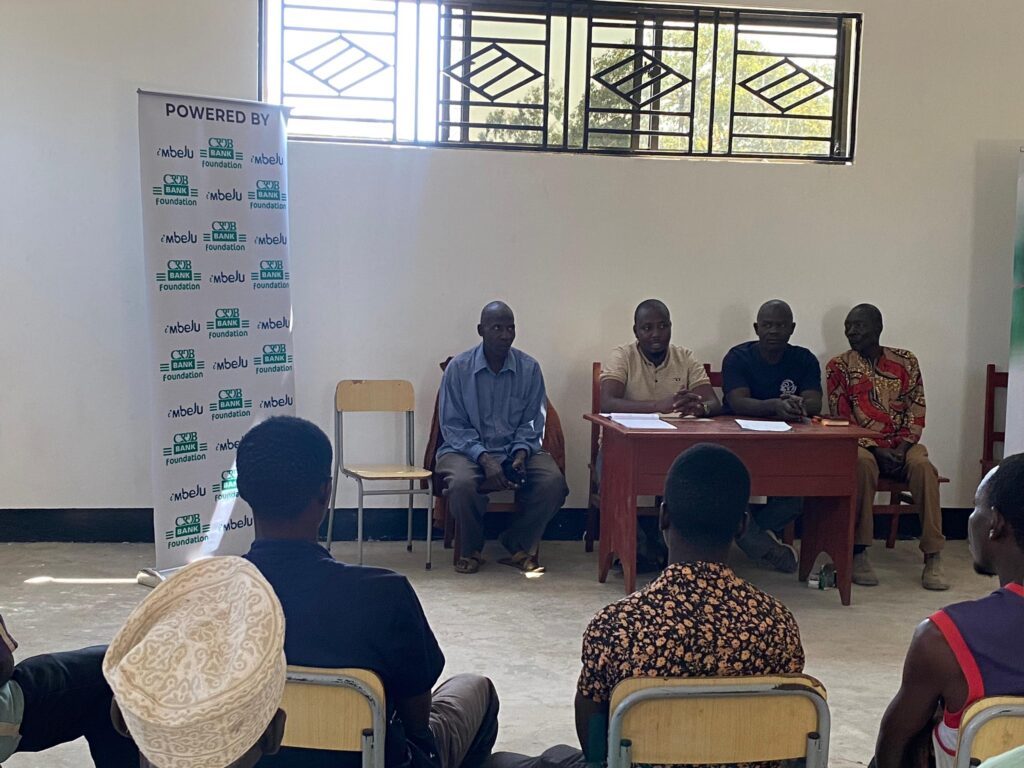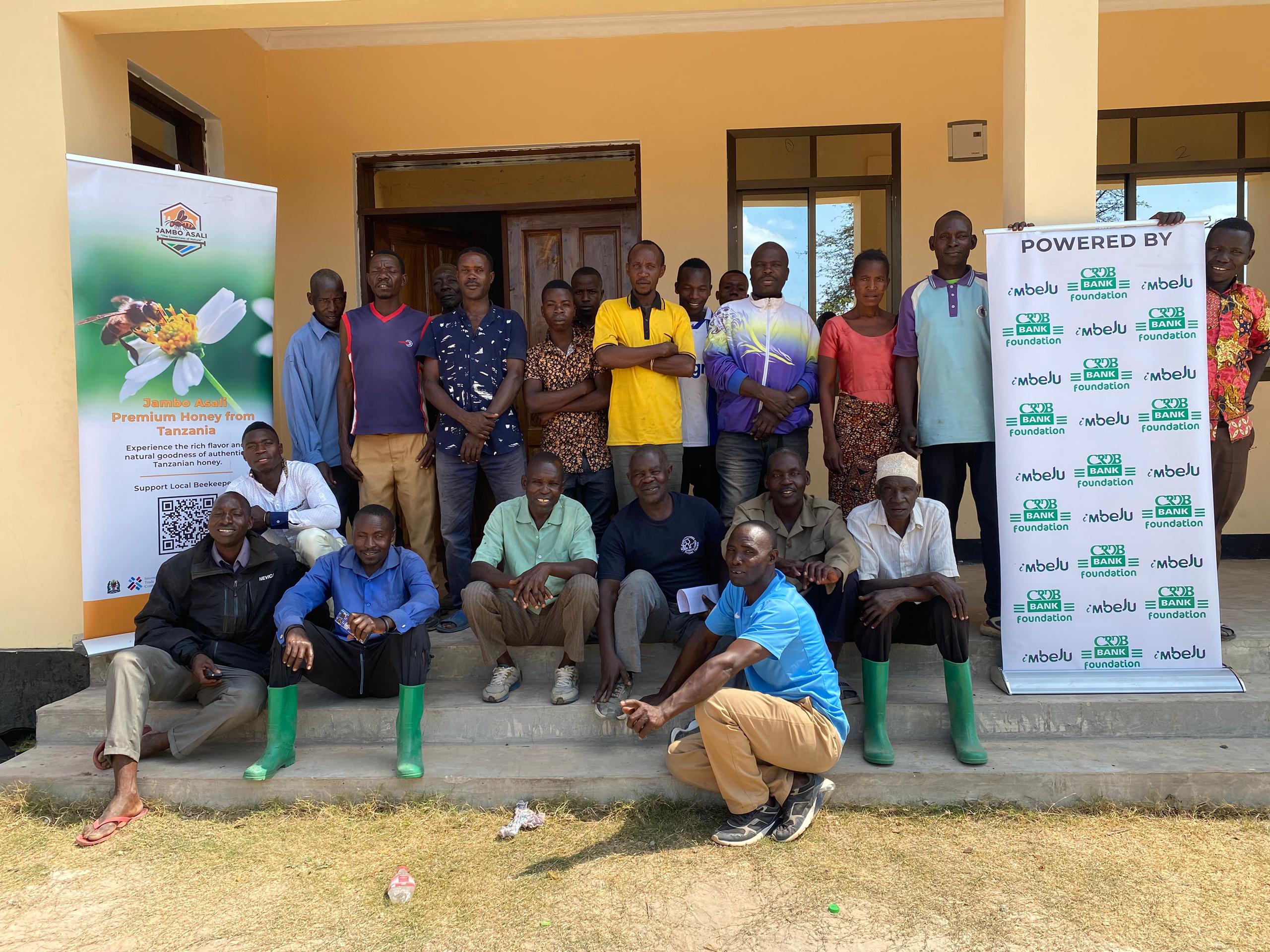
In the heart of Tanzania’s rural economy, beekeeping is becoming more than just a traditional livelihood it is transforming into a viable, sustainable, and community-driven economic activity thanks to strategic partnerships and visionary programs. One shining example of this impact is JAMBO ASALI, a leading brand under Tanzania International Bee Co. Ltd (TIBCO), which is creating positive change through its support from CRDB Bank Foundation’s IMBEJU Program BEVAC Project, jointly implemented by the International Trade Centre (ITC) and Enabel.

JAMBO ASALI: Pioneering honey brand for Social and Economic Transformation
Under the stewardship of Tanzania International Bee Co. Ltd, JAMBO ASALI has emerged as a champion of quality, community, and market-driven solutions in the beekeeping value chain. With a deep commitment to empowering rural communities, especially smallholder beekeepers, JAMBO ASALI has dedicated itself to increasing access to reliable markets, enhancing value addition, and ensuring rigorous quality control of bee products.
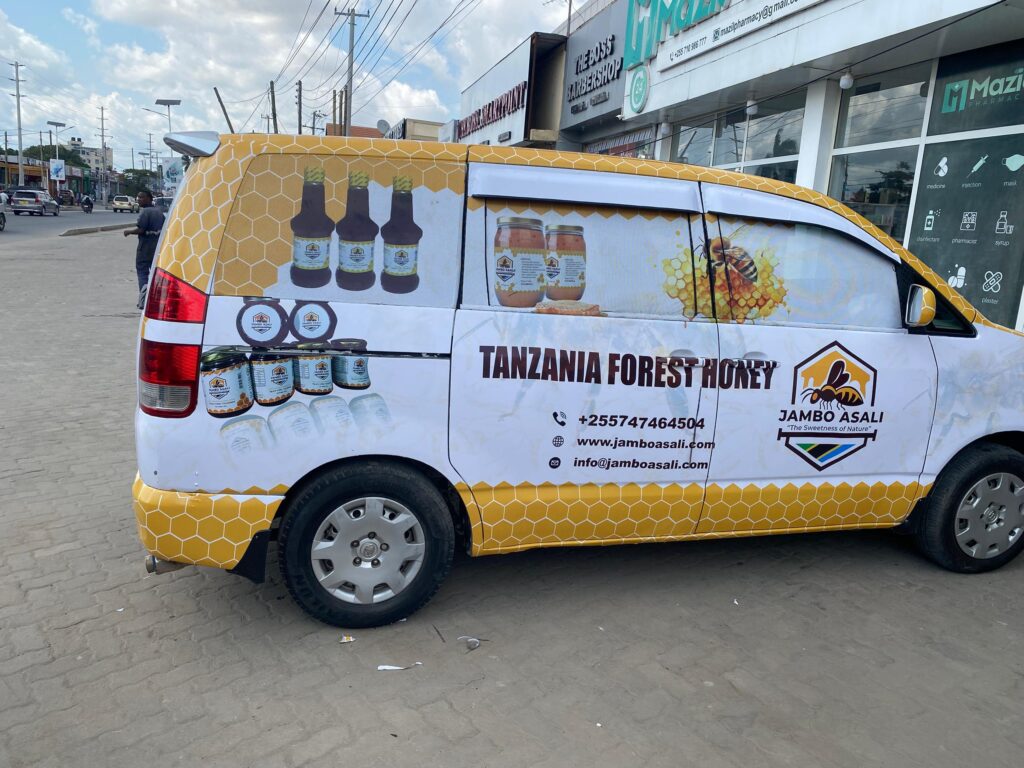
This commitment caught the attention of CRDB Bank Foundation, which, through its IMBEJU Program, decided to support Tanzania International Bee after recognizing its demonstrated capacity to:
- Open domestic and international market access for local beekeepers
- Add value to raw bee products through modern processing and branding
- Strengthen community empowerment, especially among women and youth
- Maintain strict quality standards across the production and processing chain
The IMBEJU Program: Financing Change, Fuelling Innovation
The IMBEJU Program by CRDB Bank Foundation aims to support youth- and women-led enterprises across Tanzania by improving access to finance, mentorship, and entrepreneurship development. Through this program, JAMBO ASALI was granted financial support that has helped the company scale its efforts to reach more beekeeping communities and formal associations, ensuring that local producers are not left behind in the growing honey economy.
Thanks to this financial support, JAMBO ASALI now collaborates with numerous beekeeping associations, facilitating:
- Access to banking services and financial literacy
- Technology adoption and training in modern beekeeping techniques
- Strengthened entrepreneurial skills at the grassroots level
The BEVAC Project: Building Infrastructure and Trust in the Value Chain
Parallel to the IMBEJU support, the BEVAC (Beekeeping Value Chain) Project, driven by ITC and Enabel, is complementing this transformation by establishing collection centers in key honey-producing regions like Tabora, Kigoma, and Katavi. These centres are vital nodes where smallholder beekeepers can deliver raw honey for aggregation, testing, and value addition with guaranteed buyers like TIBCO (JAMBO ASALI) ready to contract with associations directly.
This structure has helped in:
- Contractual assurance of markets for beekeeping cooperatives
- Improved traceability and quality control of honey
- Enhanced access to finance by promoting account ownership and financial education among rural beekeepers
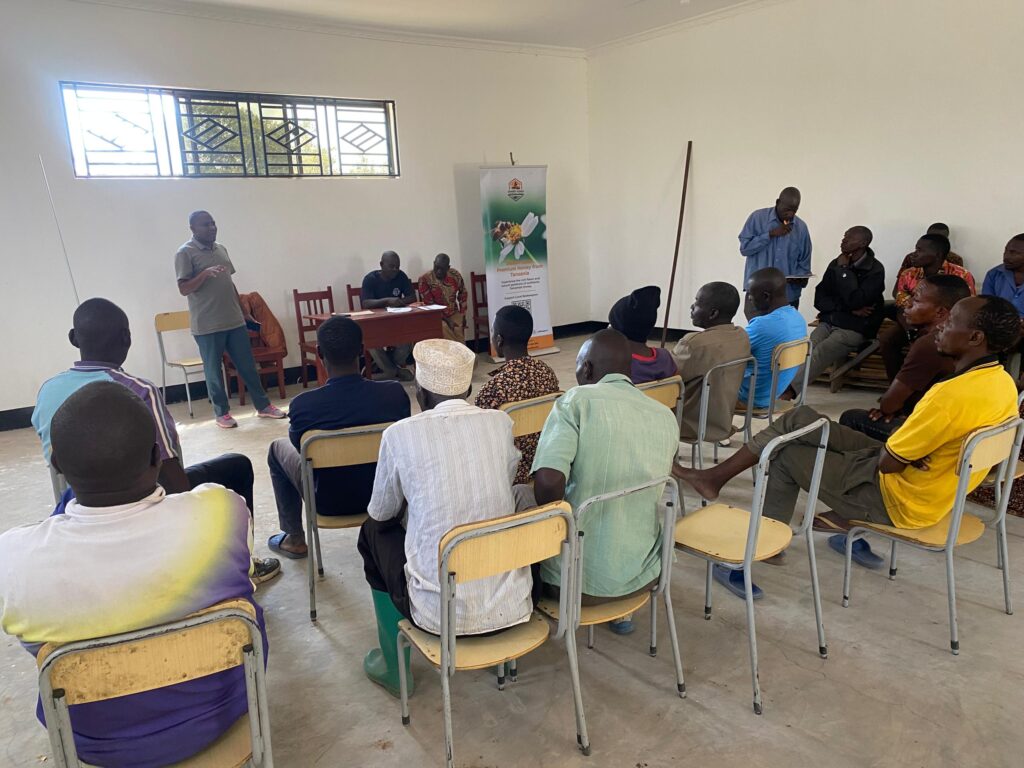
One standout cooperative that has benefited from this initiative is from Kipanga, Tabora, which has over 195 active members. With the establishment of a fully functional honey collection center, members now have access to assured markets, fair prices, and better negotiation power. According to the cooperative chairman, Mr. Isack Chota, “This support has completely changed our livelihoods. Before, we struggled to find buyers and sold at a loss. Now, we are organized, we have access to banks, and we know our honey will reach international markets. Our families are better, our environment is conserved, and youth are joining beekeeping again.”
Driving Broader Impact: Income, Gender, Environment & Climate Action
The combined impact of JAMBO ASALI, IMBEJU PROGRAM, and BEVAC is being felt across multiple dimensions of sustainable development:
- Income Generation: Beekeepers now earn better and more predictable incomes through formalized channels and assured markets.
- Gender Equality: Women-led groups are being empowered through training, finance access, and active participation in the honey value chain.
- Environmental Conservation: Beekeeping promotes forest preservation as communities realize the economic value of intact ecosystems.
- Climate Action: Beekeeping is a climate-smart agriculture activity that does not require land clearing and contributes to biodiversity preservation.
- Poverty Reduction: Through increased earnings, financial education, and entrepreneurship, families are investing in education, healthcare, and other needs.
The Way Forward: A Call for Greater Support
While the impact so far is significant, scaling this transformation to reach more communities will require greater collaboration. The continued support of the Government of Tanzania, private sector players, and international development agencies is essential to:
- Expand infrastructure like collection centers
- Digitize traceability and supply chain systems
- Provide more capital and grants to emerging beekeeping enterprises
- Deepen market access to regional and global markets
JAMBO ASALI, as a growing social enterprise, remains committed to playing its role as a bridge between smallholder beekeepers and global markets, thanks to the strategic backing of visionary partners like CRDB Bank Foundation ,ITC and Enabel through BEVAC Project.
NOTE:
The story of JAMBO ASALI is not just a story about honey , it’s a story of empowerment, sustainability, and hope. Through meaningful collaborations with programs like IMBEJU and BEVAC, beekeeping is being redefined as a tool for rural development, climate resilience, and economic justice. As local cooperatives like Kibondo from Kigoma, Kipanga in Tabora rise, the buzz around beekeeping is no longer just in the hives , it’s in the lives of people across Tanzania.